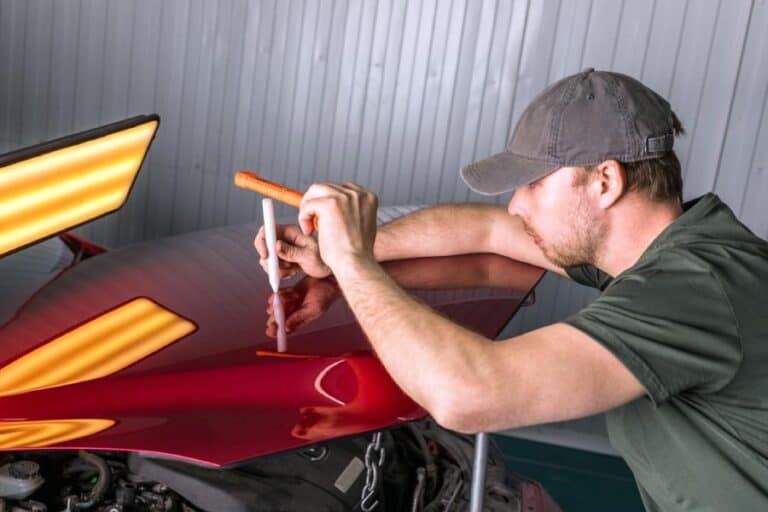

How Vehicle Panel Thickness Influences Dent Repair Techniques
Why Panel Thickness Matters in Collision Repair
Collision repair decisions begin with one practical question: how much metal is available to move, reshape, or refinish safely? Panel thickness affects dent depth, tool pressure, access strategy, heat response, and whether the best solution is paintless dent repair, conventional auto body repair, or panel replacement.
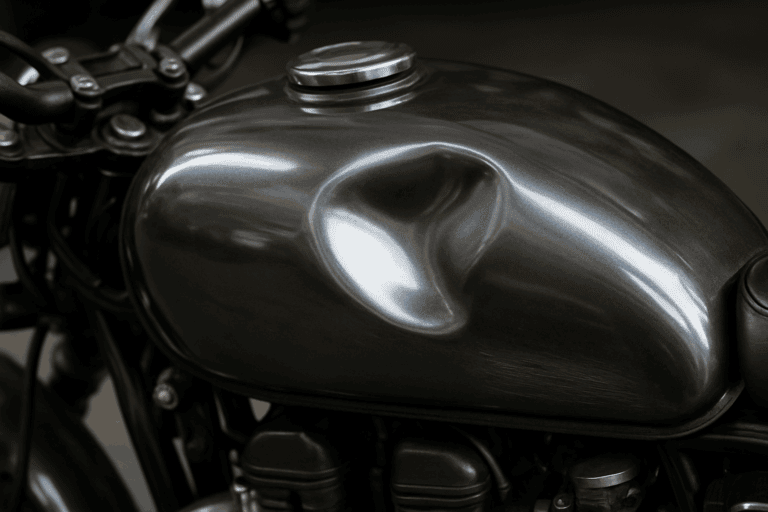
Panel Thickness Changes How Metal Holds Damage
Thin exterior panels may flex easily, but they can also stretch quickly. That matters during dent removal because overstretched metal may not return cleanly to its original contour. In contrast, thicker panels often resist initial damage better, but once dented, they require more leverage, stronger pulling methods, and a more deliberate repair process.
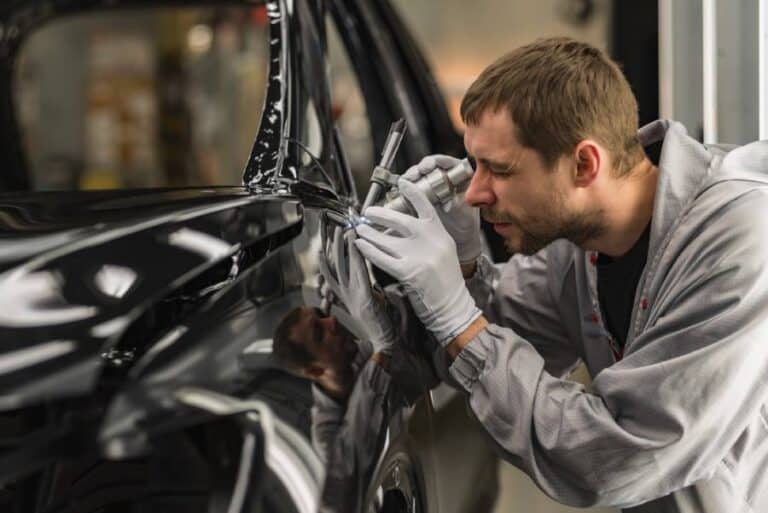
In a professional repair center, technicians assess panel thickness during vehicle intake, pre-scan, visual inspection, and disassembly. This helps build a repair plan that may include body repair, paint and refinish, reassembly, calibrations, post-scan, and quality assurance before vehicle delivery. A transparent process also helps the customer, insurance company, and repair team understand whether the vehicle ready date is realistic.
Thickness Also Affects Adjacent Systems
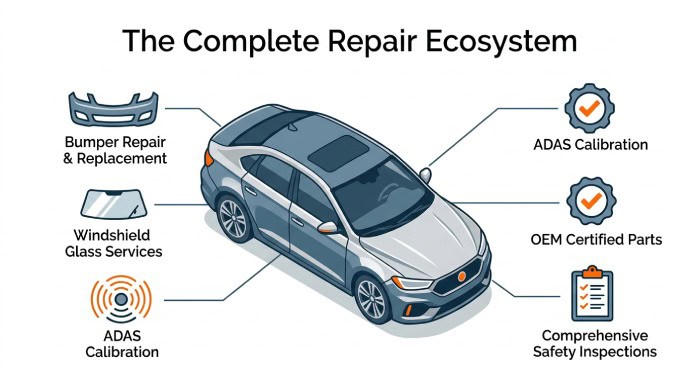
Modern collision repair often involves more than one panel, requiring coordination between fender repair, bumper repair, auto glass repair, windshield repair and replacement, ADAS calibration, and hail damage repair. Trusted providers also focus on manufacturer-certified parts, safety inspections, insurance coordination, repair updates, rentals, towing, warranties, and aftercare for a complete repair experience.
Thin Panels: Risks, Tool Selection, and Paintless Dent Repair Considerations
Risks of Overworking Thin Metal
Thin metal can oil-can, ripple, or crown around the impact point when excessive pressure is applied. This is why paintless dent repair technicians use controlled micro-movements rather than aggressive pushing. In hail damage repair, dozens or hundreds of small impacts may exist across a roof or hood, making thin-panel behavior critical to the final result.
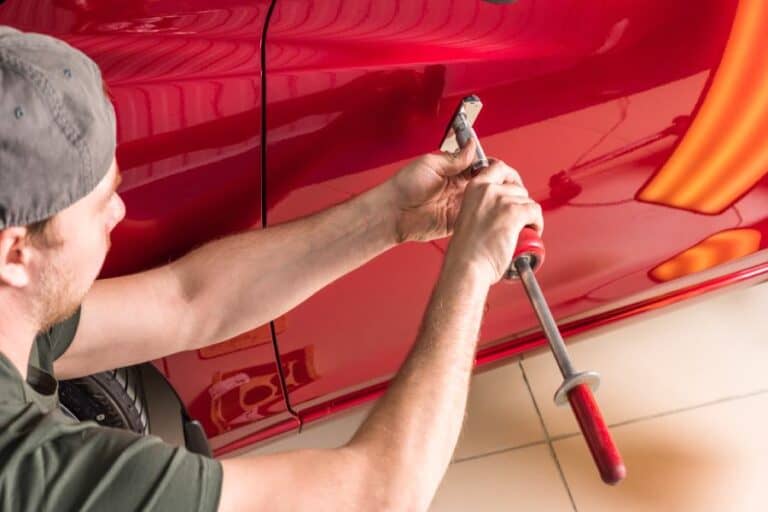
Paintless Dent Repair is often ideal for shallow dents where the factory finish is intact. However, paintless dent repair may not be appropriate if the paint is cracked, the panel edge is crushed, or previous auto body repair has added filler beneath the finish. In those cases, dent removal may shift to conventional body repair, followed by paint and refinish with Waterborne Paints.
Tool Selection for Thin Panels
Thin panels require soft-tip rods, precision knockdowns, glue pulling, low-tension tabs, and careful lighting. Overly rigid tools can create high spots. For fender repair, technicians may remove liners to gain access; for bumper repair, the substrate is often plastic rather than sheet metal, so heat and reshaping behave differently. Bumper Repair and Fender Repair each require a different approach even when the visible dent size looks similar.
Glue Pulling and Paint Condition
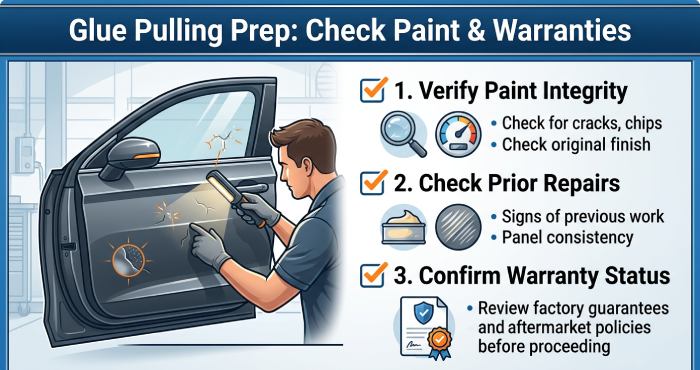
Glue pulling can be effective for hail damage repair and dent removal on thin panels, but it must be used cautiously on repainted surfaces. A technician should verify coating integrity, prior auto body repair, and whether a Paint Warranty or lifetime warranty applies. The Crash Champions Lifetime Warranty, for example, reinforces why process control and quality assurance matter.
Paintless Dent Repair Limits on Thin Panels
Paintless dent repair works best when the metal remains recoverable, while thin aluminum panels require specialized tools and trained technicians for proper aluminum repair. Collision or hail damage may also require auto glass repair, windshield calibration, and dent repair & removal to restore the vehicle’s appearance, safety, and durability.
Thicker Panels: Access, Leverage, Heat, and Metal Reshaping Challenges
Access and Leverage Are the Main Obstacles
Thicker metal may require stronger pulling tools, stud welding, or hammer-and-dolly techniques, with disassembly sometimes needed for access. For fender repair and bumper repair, technicians also inspect surrounding panels, brackets, sensors, and hidden damage to determine whether repair or Manufacturer Certified Parts replacement is the safest option.
Heat and Metal Movement
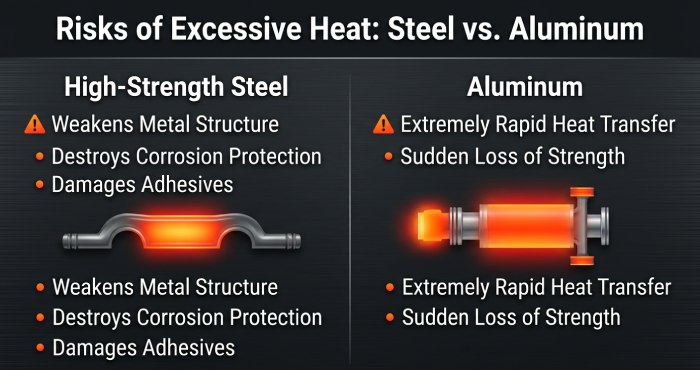
Heat can help reshape thicker panels, but it must be controlled. Excessive heat may weaken high-strength steel, damage corrosion protection, or affect nearby adhesives. In aluminum repair, heat management is even more important because aluminum transfers heat quickly and can lose strength if mishandled.
Controlled Heat Is Not a Shortcut
A skilled technician uses heat as part of a complete repair process, not as a shortcut. The goal is to restore shape while preserving crash performance. This is where trusted repair service standards, manufacturer certified parts, and proper quality assurance separate professional auto body repair from cosmetic-only work.
Thick Panels and Related Repair Services
Thicker-panel repairs may involve windshield repair, auto glass repair, bumper repair, fender repair, and auto paint repair services, along with ADAS calibration when sensors or cameras are affected. Repair centers may also assist with insurance, rentals, towing, repair updates, and free estimates while keeping customers informed throughout the process.
Material Type and Panel Thickness: Steel, Aluminum, and High-Strength Alloys
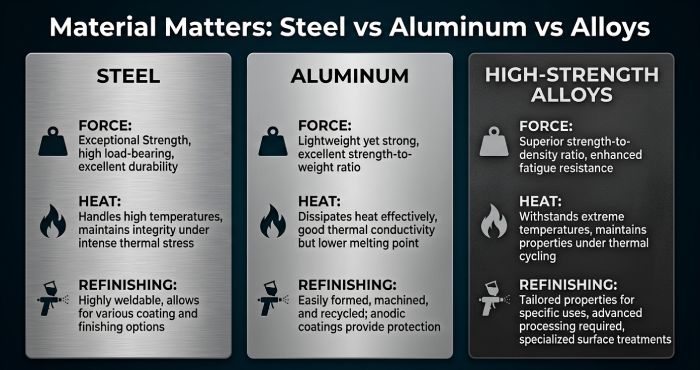
Panel thickness cannot be judged without considering material type. Steel, aluminum, and advanced high-strength alloys respond differently to force, heat, and refinishing.
Steel Versus Aluminum Repair
Mild steel is more forgiving for paintless dent repair, while aluminum is lighter and corrosion-resistant but requires specialized aluminum repair tools and careful handling. Hail damage repair on aluminum panels depends on the severity, with some dents repairable through PDR and others requiring body repair or replacement, while auto glass repair or windshield repair may also be needed.
High-Strength Alloys and Safety Requirements
High-strength and ultra-high-strength steel require specialized collision repair methods based on original equipment manufacturer (OEM) guidelines, including specific decisions on straightening, sectioning, or replacement. Modern repair networks also emphasize technician training, safety standards, community programs, and consistent service quality across locations.
Choosing the Right Repair Method: When to Repair, Replace, or Blend Techniques
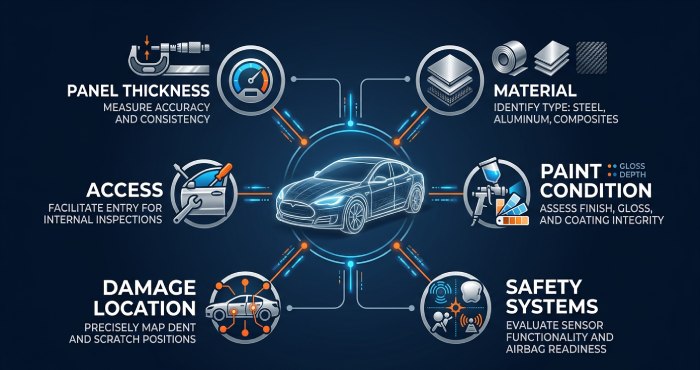
The best method depends on panel thickness, material, paint condition, access, damage location, and safety systems. A repair center may blend paintless dent repair, conventional auto body repair, bumper repair, fender repair, aluminum auto body repair, windshield repair, and auto glass repair into one coordinated plan.
Repair, Replace, or Combine Methods
Repair is preferred when the panel can be restored safely, while replacement may be necessary for severe stretching, corrosion, or OEM restrictions. Shops may combine paintless dent repair, hail damage repair, fender repair, bumper repair, aluminum repair, and auto glass services, while providing estimates, insurance support, calibrations, quality checks, and delivery updates.
About The Author