
5 Types of Car Damage That Mobile Dent Repair May Be Able to Fix
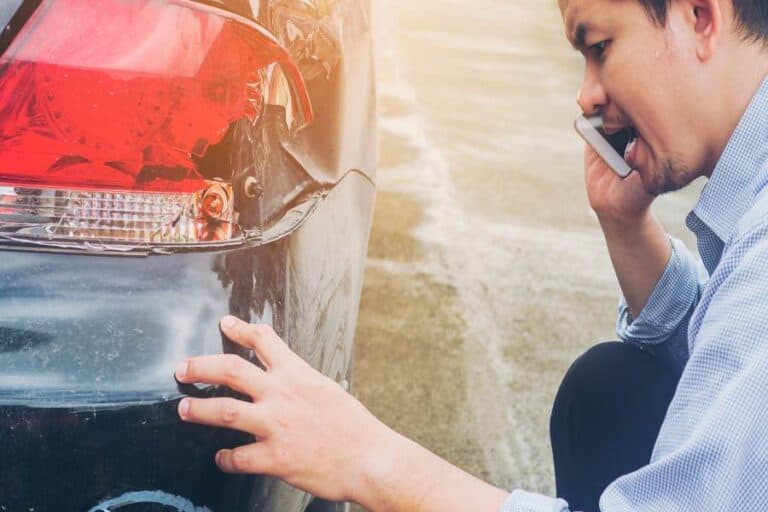
Mobile dent repair has become a practical bodyshop alternative for drivers who want fast service, affordable pricing, and a cleaner dent repair process without the delays of conventional repair. When the paint is intact and the panel has not been severely stretched, paintless dent repair can often remove dents with no repainting, no bodywork, and a bondo-free approach. For many vehicle owners, that means a quick repair performed at home, at work, or wherever the vehicle is parked.
Paintless Dent Repair (PDR) is especially useful for common damage such as door dings, hail damage, minor dents, shallow collision dents, and certain creases. The right local technician will begin with a damage assessment, provide a free estimate or free quick quote, and explain whether paintless dent removal is suitable for your specific vehicle. Mobile Dent Repair may also help drivers save time and money because many repairs can be completed as a same-day repair or repair in hours rather than days.
Door Dings and Parking Lot Dents
Door dings are among the most common reasons drivers request mobile dent repair. These dents often happen in parking lots when another car door, shopping cart, or small object strikes the side of the vehicle. In many cases, door dings are shallow, paint-intact dents that respond well to paintless dent repair and paintless dent removal.
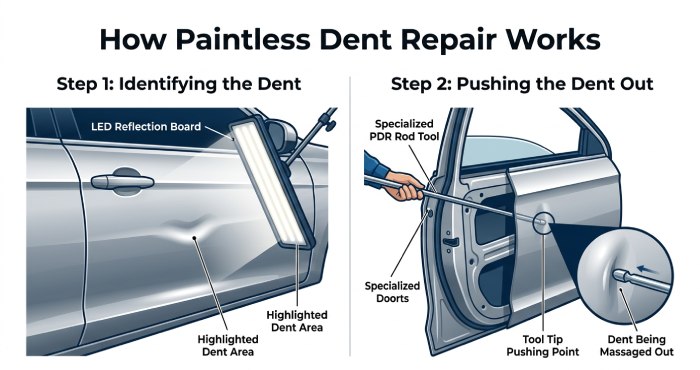
A typical dent repair process for door dings starts with a vehicle inspection under controlled lighting. Skilled technicians look at the size, depth, location, and paint condition before giving a repair quote. If the metal is accessible and the finish is not cracked, specialized tools can be used behind the panel to massage the dent back into place. This type of dent removal is often a quick repair, making it a strong option for affordable dent repair.
Why Door Dings Are Often Ideal for Paintless Dent Removal
Door repair is a natural fit for paintless dent repair because many door dings are small and localized. Regardless of the vehicle’s make or model, the goal is to restore the panel’s original contour while preserving the factory paint. This approach can eliminate the need for unnecessary sanding, fillers, or refinishing when the damage is suitable for PDR.
Hail Damage and Small Round Dents
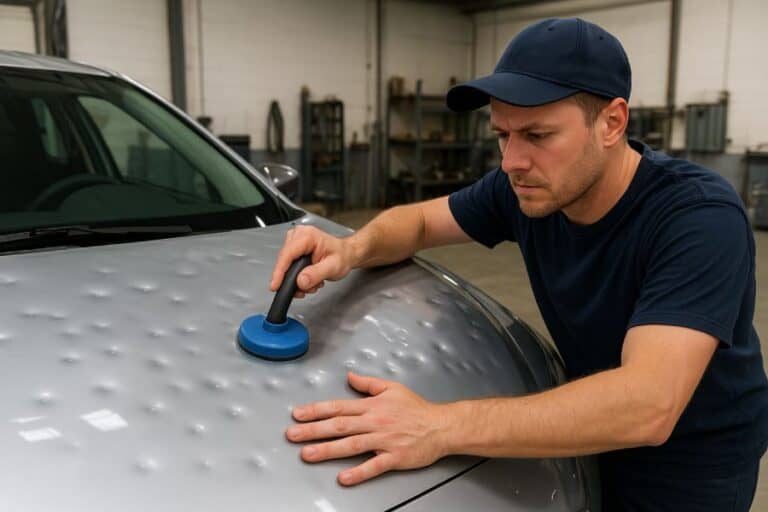
Hail damage is one of the best-known uses for paintless dent repair. After a storm, a vehicle may have dozens or even hundreds of small round dents on the hood, roof, trunk, fenders, and quarter panels. Paintless dent removal is commonly used because hail damage usually leaves the paint intact, allowing expert technicians to restore the surface without conventional repair.
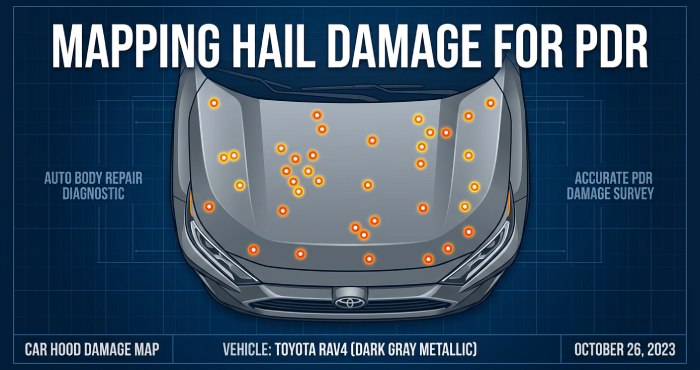
The dent repair process for hail damage is more detailed than fixing one or two door dings. A technician must perform a complete damage assessment, map each dent, and determine whether access is available behind each panel. Hail damage may involve fender repair, panel repair, liftgate repair, roof rail attention, hood work, or aluminum panel repair depending on the vehicle makes and materials involved.
Insurance Claims and Hail Damage Repair
Many hail damage jobs are connected to insurance claims. A quality service provider can document the damage, provide a repair quote, and help the customer understand the scope of work. A free estimate is especially valuable after a storm because not every dent requires traditional auto body repair. In many cases, paintless dent repair is the preferred bodyshop alternative because it is environmentally friendly, avoids paint materials, and helps maintain factory finishes.
What Makes Hail Damage Repairable?
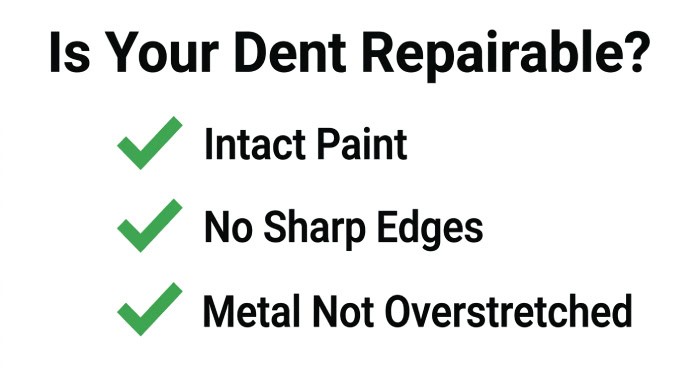
Hail damage is usually repairable when the paint has not cracked, the dents are not extremely sharp, and the metal has not been overstretched. Minor dents from hailstones often respond very well to dent removal. Major dents, however, may require a blended approach involving auto body repair or crash repair if the panel is deeply crushed, kinked, or structurally affected.
Creases and Minor Bodyline Dents
Crease repair is more complex than fixing small round dents, but it may still be possible with mobile dent repair. A crease forms when force drags across the panel, creating a longer dent with a defined line. Bodyline dents are similar because they affect a styled ridge or contour in the metal. These areas require skilled technicians, patience, and specialized tools.
Paintless dent repair can work on creases when the paint is intact and the dent is not too sharp. The dent repair process involves carefully relieving tension across the damaged area, gradually lifting the low spots, and blending the repair so the panel looks natural from multiple angles. Paintless dent removal on a crease often takes longer than simple dent removal, but it can still be a quick repair compared with conventional repair.
Bumper Dents and Plastic Panel Damage
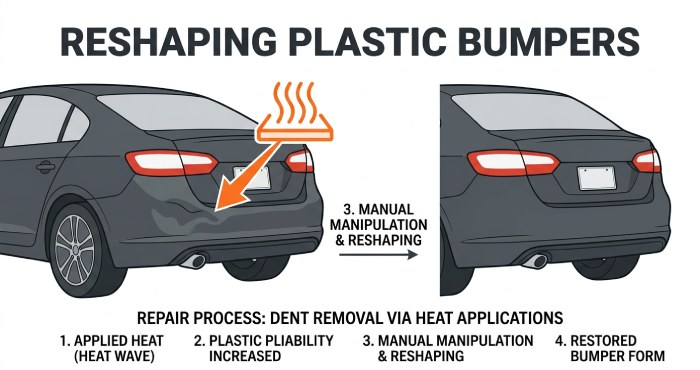
Bumper dents and plastic panel damage may be repairable through mobile dent repair, although the process differs from metal dent removal. Minor damage may be corrected using controlled heat, reshaping, and spot repair when the plastic is not torn and the paint remains intact.
While PDR is designed for metal panels, some mobile dent repair specialists also provide bumper restoration. A quick quote can help determine whether the damage needs simple bumper reshaping, PDR on a nearby metal panel, or conventional repair.
When Bumper Damage Needs More Than Dent Removal
Not every bumper dent can be fixed through mobile repair. Deep gouges, cracked or torn plastic, broken tabs, damaged sensors, or structural damage may require professional auto body or collision repair. However, minor cosmetic dents may be restored quickly with affordable dent repair.
Mobile dent repair can save customers time by bringing the technician to their location. After inspecting the damage, the technician can explain the repair options, provide a free estimate, and confirm whether same-day service is possible.
Shallow Collision Dents and Paint-Intact Damage
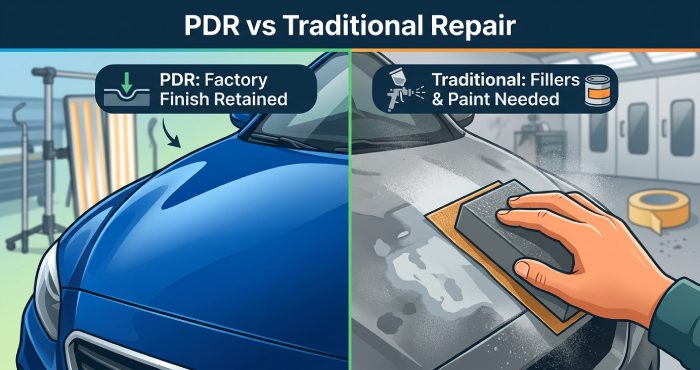
Shallow collision dents caused by minor bumps, falling objects, or low-speed impacts may be suitable for mobile dent repair. If the paint is intact and the panel is not badly stretched, paintless dent repair (PDR) can restore the panel without repainting.
Technicians first inspect the damage, panel access, bracing, and surrounding area to determine the best repair method. PDR can preserve the original finish while reducing the need for body fillers, paint, and replacement parts, making it a precise and efficient option for minor car dent repair.
About The Author