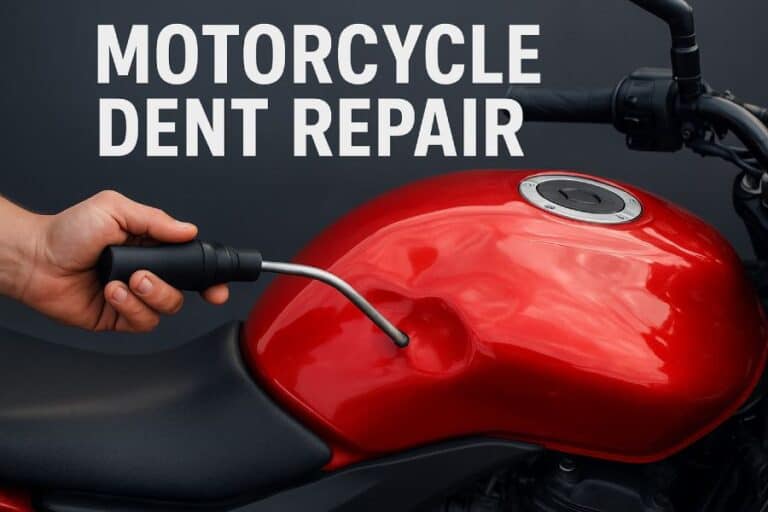

Motorcycle Dent Repair After Minor Accidents: What Riders Should Do First
A low-speed tip-over, parking-lot bump, dropped helmet, or light collision can leave a motorcycle with visible dents and dings even when the bike still runs normally. The first priority is always rider safety, but once everyone is secure, the next steps determine whether motorcycle dent repair stays simple, cost effective, and paint-safe—or turns into unnecessary refinishing work. For riders who care about originality, resale value, and factory paint preservation, Motorcycle Dent Repair often starts with a careful inspection and the right repair decision.
Immediate Steps After a Minor Motorcycle Accident
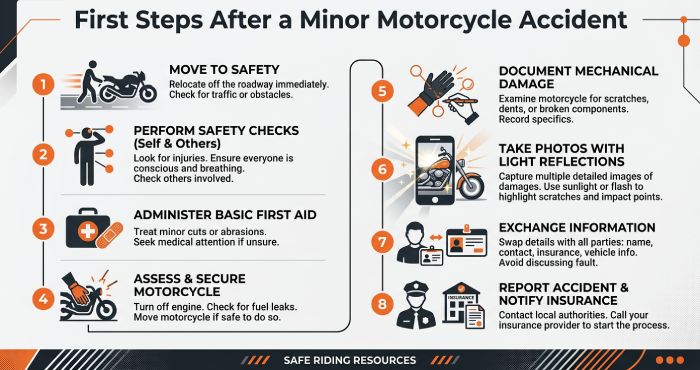
Check for Safety and Document the Damage Immediately
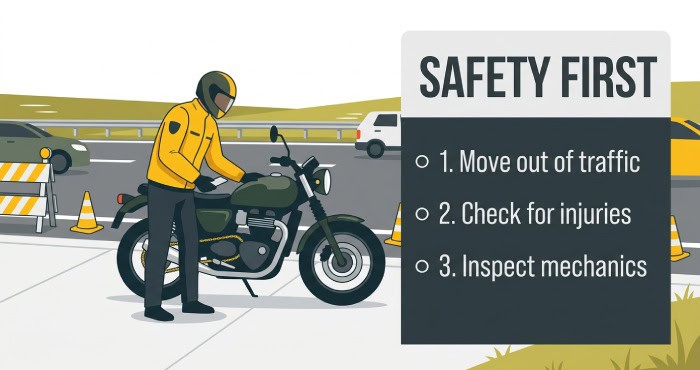
After any minor accident, move the motorcycle out of traffic if it is safe to do so. Check yourself and any passenger for injuries, then inspect the bike for fluid leaks, bent controls, brake damage, tire issues, and compromised lighting. Cosmetic dents and dings can wait; mechanical safety cannot.
Once the motorcycle is stable, begin documenting the damage. Take clear photos from multiple angles, including close-ups and wider shots that show the location of the dent on the gas tank, fender, side cover, or other motorcycle bodywork. Use natural light when possible, and photograph reflections across the damaged area because reflection distortion helps a dent repair technician understand depth, shape, and access.
Good documentation matters for three reasons:
1. It supports an insurance claim if another party or comprehensive coverage is involved.
2. It helps a motorcycle dent specialist provide a photo quote before you schedule a motorcycle repair appointment.
3. It creates useful before and after records for comparing restoration quality once the work is complete.
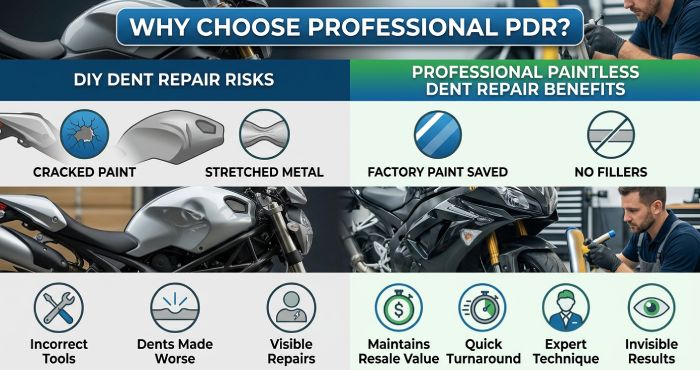
For dents and dings that appear cosmetic, avoid pushing, tapping, heating, or suction-pulling the metal before a professional damage assessment. DIY attempts can create high spots, stretch the panel, crack paint, or turn minor dents into deep dents. A trained dent repair technician can often perform motorcycle paintless dent removal with no paint removal, no fillers, and minimal disturbance to the original surface, helping preserve the bike’s appearance and resale value.
Identify Common Motorcycle Dent Locations and Severity
Motorcycle dent repair commonly focuses on gas tanks, front and rear fenders, and side panels after minor accidents or drops. Gas tank dent repair is especially popular because the tank is highly visible, and many owners prefer paintless dent repair to keep the original factory finish intact.
Motorcycle fender repair is also common for small dents caused by garage damage or road debris. Minor dents with undamaged paint are usually the best candidates for PDR, while deep creases, cracked paint, or stretched metal may require traditional body and paint repair.
Choosing the Right Repair Path
Decide Between DIY Dent Repair and Professional Service
DIY kits are widely available, and YouTube makes motorcycle dent removal look simple. In reality, motorcycle panels are often thicker, more curved, and less accessible than car doors. Glue pulling, suction cups, a heat gun, or generic repair tools may help in rare cases, but they can also damage paint, pull decals, or create new high spots. Once that happens, a dent repair technician has to correct both the original dent and the DIY damage.
Professional motorcycle dent repair relies on specialized tools, lighting, panel access knowledge, and controlled metal movement. A skilled technician does not simply “pop” a dent out; they gradually resurface metal from behind or from the outside using glue-pull systems, knockdown tools, tap-down techniques, and precision reflection reading. This is why PDR is often preferred when the paint is intact.Paintless Dent Repair is especially valuable because it supports factory paint preservation, usually involves no body fillers, and can be an environmentally friendly repair compared with sanding, priming, painting, and solvent-based refinishing. For many riders, PDR provides a permanent repair while keeping the motorcycle’s original finish intact.
Why PDR and Paint Preservation Matter
PDR, also called paintless dent repair, is often the best path for dents and dings on tanks and fenders when the coating has not failed. Motorcycle paintless dent removal can be ideal for riders who own custom-painted bikes, limited editions, or factory-finished Harley Davidson models where repainting can reduce originality.
A certified master technician—or in some networks, ARC Certified Master technicians—will evaluate metal stretch, access, paint condition, and dent location before recommending motorcycle paintless dent removal. Using specialized PDR tools, the goal is not merely to make the dent “less visible,” but to return the panel as close as possible to original contour with restoration quality.
A professional motorcycle dent specialist may recommend mobile dent repair for accessible minor dents, while more complex motorcycle gas tank repair, motorcycle tank dent repair, or motorcycle fender repair may require shop repair. In some cases, motorcycle tank shipping is available when riders are far from a qualified PDR provider.
Understand Insurance, Repair Estimates, and Cost Factors
Before authorizing motorcycle dent repair, request a written damage assessment and, when possible, a free estimate. Many providers can begin with a photo quote, but final pricing may change once the tank, fender, or panel is inspected in person. Some repair specialists, including an auto hail repair shop with paintless dent repair expertise, may also offer remote evaluations before scheduling service. Insurance companies may require photos, a written estimate, and confirmation that the damage was caused by a covered event.
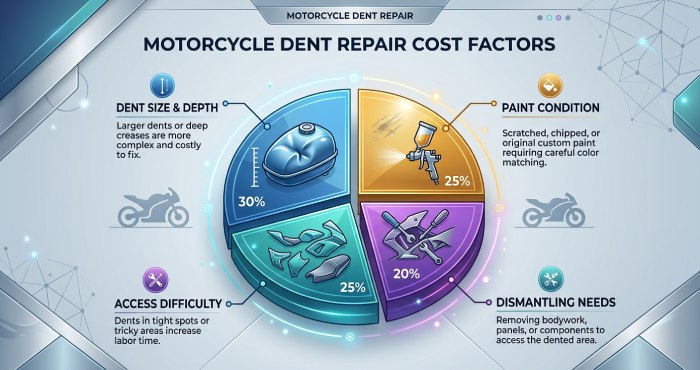
Cost depends on several factors:
- Dent size, depth, and location
- Paint condition and presence of scratches
- Whether motorcycle paintless dent removal is possible
- Access difficulty, including whether a dismantled tank is needed
- Need for badge removal, fuel tank handling, or motorcycle tank shipping
- Whether the job is mobile dent repair or shop repair
- Complexity of crease removal, high spots, or stretched metal
PDR can be a cost-effective motorcycle dent repair option because it avoids repainting and filler work while preserving the original paint. However, severe dents, cracked paint, or rust may still require refinishing, so it is important to choose a motorcycle dent specialist with Harley repair experience who can clearly explain the expected repair quality and process.
When comparing estimates, do not choose solely by price. Ask whether the provider has motorcycle-specific experience, whether they have handled Harley, Road King, or Harley-Davidson Dyna Low Rider S tanks, and whether they understand Harley Davidson repair expectations. A good motorcycle dent specialist should explain whether the repair will be a true paintless dent repair, a bondo free repair, or a combination of metal correction and refinishing.
They should also be clear about whether the outcome is expected to be full restoration quality or a noticeable improvement. Experience with collision repair can also be a valuable indicator of a shop’s ability to restore damaged motorcycle components to a high standard.
About The Author