Forum Fights And Shop Secrets: The Truth About Paintless Dent Repair On ‘Impossible’ Dents
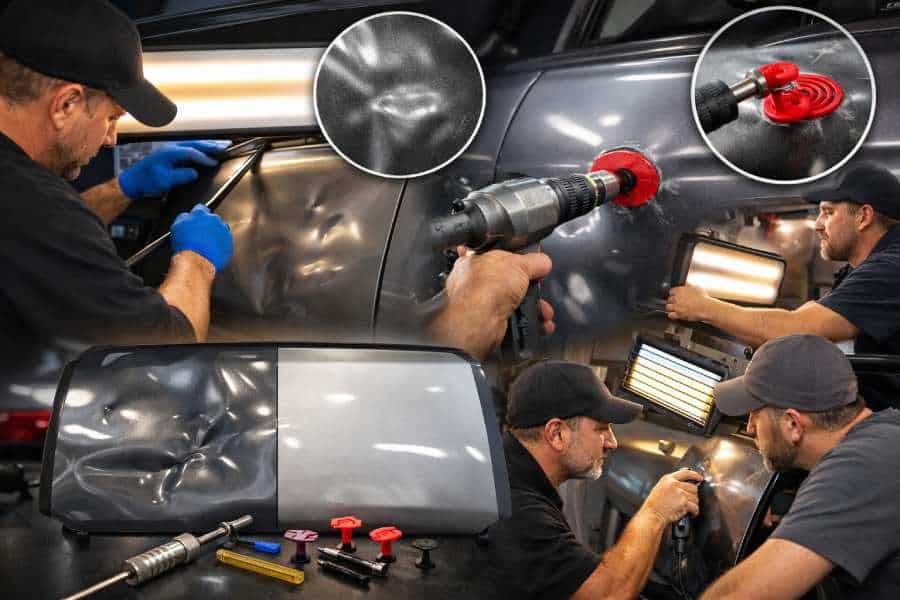
Numerous motorists hear that specific dents can’t be repaired without a paint job, but discussions on online forums and insights from actual repair shops tell a different tale. Experts in Paintless Dent Repair (PDR) frequently manage to fix damage that others consider unmanageable, preserving both time and money while maintaining the vehicle’s original factory appearance. In this article, we explore the reality of these so-called “impossible” dents and showcase the remarkable capabilities of experienced technicians.
The Truth About ‘Impossible’ Dents: Physics, Panels, and Paint Limits
What Makes a Dent ‘Impossible’? Stretch, Access, Bracing, and Paint Limits
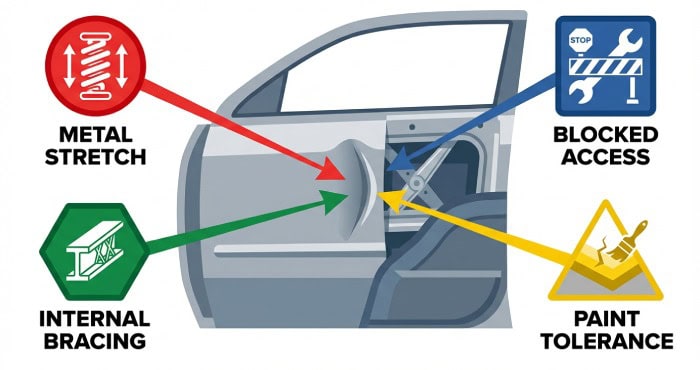
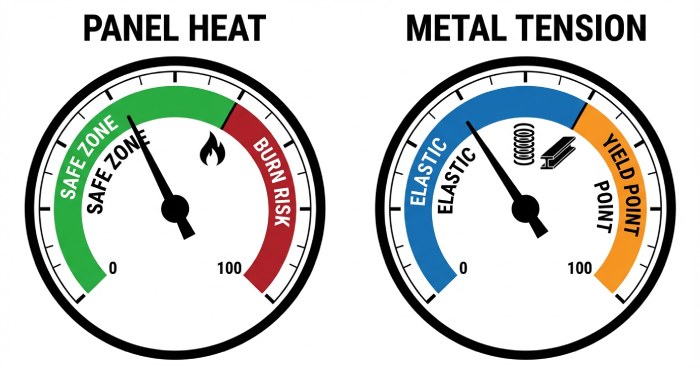
In professional PDR, an “impossible” car dent is usually a shorthand for one or more hard stops: metal stretch beyond recoverable limits, zero access to the backside, heavy bracing, edge or body-line distortion with locked crown areas, and paint that’s cracked or at risk. Paintless dent repair relies on elastic recovery; once a car body panel has yielded too far, you move from routine dent removal to a high-risk rescue. Add a fragile clearcoat and that dream of a flawless repair without painting becomes a gamble rather than a guarantee.
Metal Stretch and Paint Tolerance
- Excess stretch: When the impact balloons metal and locks tension into crown areas, the car damage can’t be fully reversed by standard dent removal techniques. Skilled PDR technicians can shrink tension by micro-level pushing and blending, but extreme stretch is where collision repair or hybrid methods enter.
- Paint limits: Micro-fractures in clearcoat make true paintless dent repair risky. Heat can help plasticity, but too much risks delamination. If you need a flawless repair and the paint’s already compromised, “no paintwork” may be unrealistic.
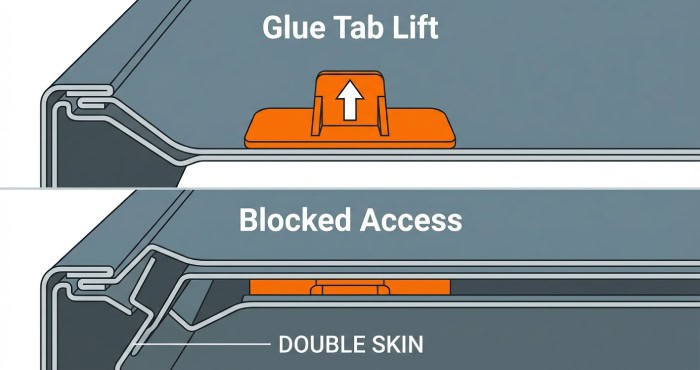
- Access: Door beams, roof bows, and boxed quarter panels often block tools. Rear side damage behind wheel arches or within hatch bracing can limit leverage for even the best craftsman.
- Bracing: Adhesive-sealed braces andhigh-strength steel magnify tool feedback and can force a move to glue pulling or GPR. When a dent puller is the only path, you must control energy to avoid high spots and fissures in the finish.
Shop Secrets vs. Forum Fights: Evaluation, Execution, and Ethics
Inside a Tech’s Triage: Evaluating Panels, Picking Tools, and Planning the Repair
A seasoned technician starts triage with lighting and lines to read shape memory, then decides whether pure paintless dent repair is viable. The repair process commonly includes:
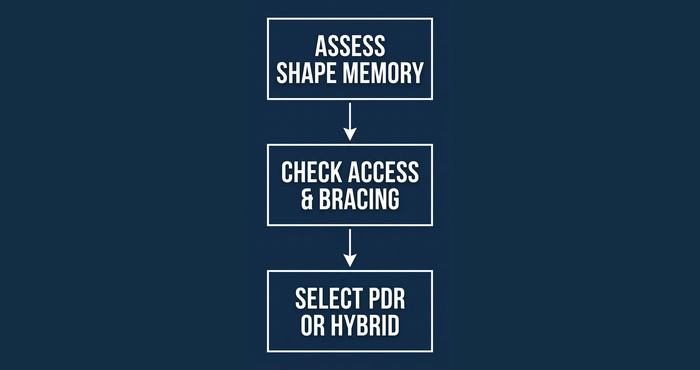
- Panel assessment: Check for stretched lows, locked crown areas, prior auto body work, and paint cracking. Identify access points and brace locations.
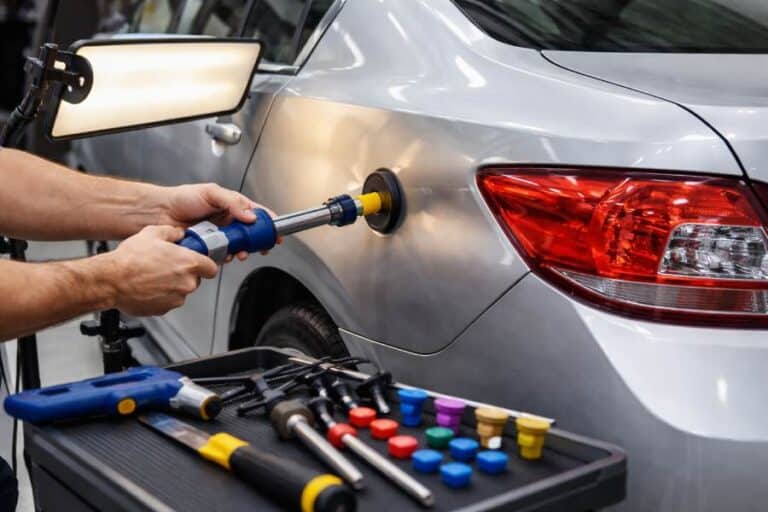
- Tooling strategy: Choose between rods, whale tails, and leverage setups; or shift to glue pulling/GPR when access is blocked. The right tools and controlled force separate a professional PDR outcome from a risky dent removal attempt.
- Heat and paint protection: Moderate heat can keep clearcoat flexible. Go too hot and you lose the finish; too cold and you induce fractures.
- Blending and finishing: Blending hammers and tap-downs relieve tension and refine texture. This is where skill and finesse turn a good dent repair into a near flawless repair, creating a smooth, flawless finish that blends seamlessly with the vehicle’s original factory surface.
Many subscribers binge a repair tutorial or a PDR lesson on Real World PDR, MasterOfNone, or CVR POV and feel ready to fix your dent. DIY can save money on minor door dings, but complex car damage and auto hail repair are rarely a quick fix. Proper PDR training, expert tips, and hands-on mentoring matter because each car panel reacts differently. As Bozi Tatarevic has noted in auto repair analysis, process discipline and verification are what keep “looks like new” claims honest.
Pushing the Edge Safely: GPR, Heat Management, Blending, and Risk Control
- GPR and dent puller use: Glue pull repair is essential when there’s no backside access. The danger is over-pulling and creating peaks; staged pulls with softer tabs and controlled release reduce risk.
- Heat management: Moderate, even heat increases ductility, especially on high-strength steel seen on BMW Mini panels. It’s a tool, not a crutch—monitor panel temp constantly.
- Blending strategy: Pre-relieving crowns before aggressive lifts prevents new distortions. Finish with light blending to unify orange peel and avoid telegraphing.
- Risk control: If paint shows stress or the metal reads “dead,” pivot early to hybrid options.Document limits and set expectations before the first push.
Knowing When to Say No: Hybrid Options, Pricing for Difficulty, and Expectation Setting
- Hybrid options: Combine PDR with spot refinishing or micro bodywork when pure paintless dent removal would fail. On torn edges or cracked paint, a small area of conventional collision repair may deliver a more predictable, flawless repair result than forcing no paintwork.
- Pricing for difficulty: Charge for access time, bracing obstacles, material hardness, and finish risk. BMW Mini quarter dents with boxed bracing merit higher difficulty pricing than flat-door door dings.
- Expectation setting: Explain that some dents can be drastically improved but not returned to factory-flat without painting. Offer a “best value” path—perhaps 90–95% correction to save money compared with full repainting—so the customer chooses between perfect and practical.
Forum Claims vs. Shop Reality: Proof, Pitfalls, and How to Spot Overpromises
The forum-versus-shop debate flares whenever a viral repair tutorial claims “impossible dent removal, looks like new, no paintwork.” Look for:
- Uncut reflections and finish checks: Real world PDR pros show slow, continuous light-board sweeps. Jump cuts can hide lows and texture. Channels like Real World PDR often teach viewers how to read reflections critically.
- Disclosure of damage history: Prior body filler or repaints change everything. A credible technician states what was found.
- Tool and process transparency: Vague talk about “magic tools” is a red flag. Reputable pros list their tools, temperatures, and steps so the repair process can be understood.
- Final inspection in daylight: If you can’t see the car panel inbroad light from multiple angles, be skeptical of “flawless repair” claims.

Remember, paintless dent removal excels at many forms of car damage, but it is not a cure-all. A professional craftsman uses PDR lesson insights, PDR training, and years of skill to decide if a dent removal path is safe. When in doubt, ask for before/after reflections, an explanation of dent removal techniques, and a written note of any risks. That’s how forum fights give way to shop-proven outcomes where the right technician chooses the right method so your damage is fixed properly, with or without painting.
About The Author