
7 Ways Minor Collision Damage Can Affect Modern Vehicle Sensors
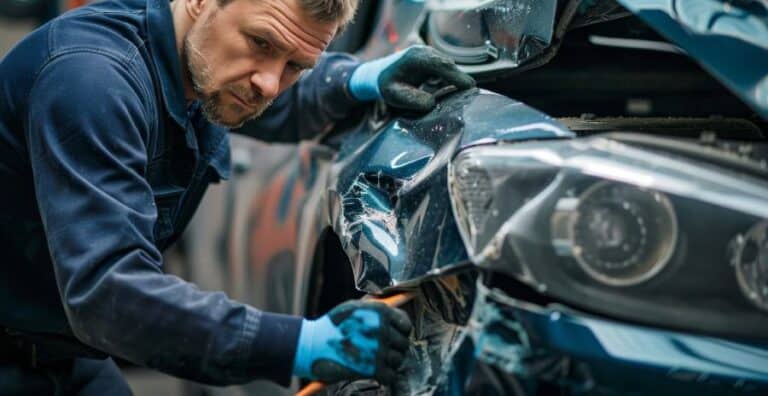
Modern vehicles rely on radar, cameras, ultrasonic sensors, and wiring networks to support driver-assistance and safety features. Even a minor collision can misalign sensors, damage wiring, or interfere with these systems. As a result, collision repair involves more than fixing visible dents and scratches; it may also require diagnostic testing and sensor calibration.
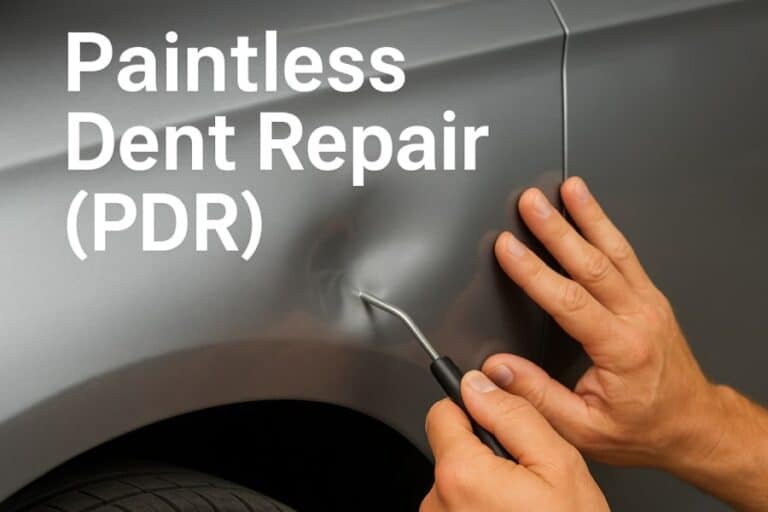
For eligible minor dents where the paint remains intact, Paintless Dent Repair (PDR) may offer a suitable repair option. However, PDR does not address damaged sensors or electrical components. A professional inspection can help determine whether the vehicle needs cosmetic repairs, sensor diagnostics, or more extensive collision repair. Learn more about how collision repair protects vehicle crashworthiness and safety ratings.
Way #1: Bumper Damage Can Affect Radar Sensors
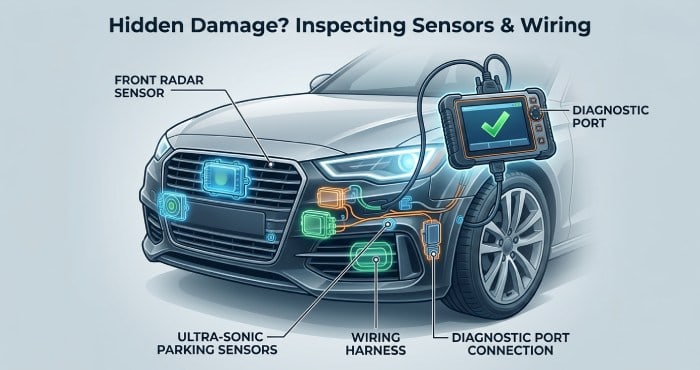
Many modern vehicles have radar sensors behind their bumper covers. Even a minor collision can damage sensor brackets or shift their position. The bumper may show only small scratches, while hidden damage affects adaptive cruise control, collision warnings, or automatic emergency braking.
What a Collision Repair Shop Should Inspect
A qualified collision repair shop should inspect the bumper, sensor mounts, wiring, and nearby components. Technicians should follow manufacturer repair procedures and check whether radar calibration is required. They should also scan for diagnostic trouble codes and verify system operation after repairs.
A written estimate can help identify hidden damage and necessary repairs. Always ask whether the shop will complete and document any required calibration.
Way #2: Small Fender Shifts Can Disrupt Blind-Spot Monitoring
Blind-spot monitoring sensors are often located behind the rear bumper corners or near quarter panels and fenders. A minor side impact can slightly change the angle of these sensors. The result may be delayed warnings, constant alerts, or no warning when another vehicle enters the blind spot.
Why Proper Measuring Matters
During collision repair, the auto body shop should measure panel gaps, bumper alignment, and structural mounting points. This is especially important across different vehicle makes and models, because sensor placement varies widely.
After a side impact, technicians should check the affected blind-spot monitoring sensors, mounting brackets, and nearby wiring. If the impact may have changed sensor alignment, follow the vehicle manufacturer’s inspection and calibration procedures to help restore proper system operation.
Way #3: Windshield Chips or Replacement Can Affect Camera Calibration
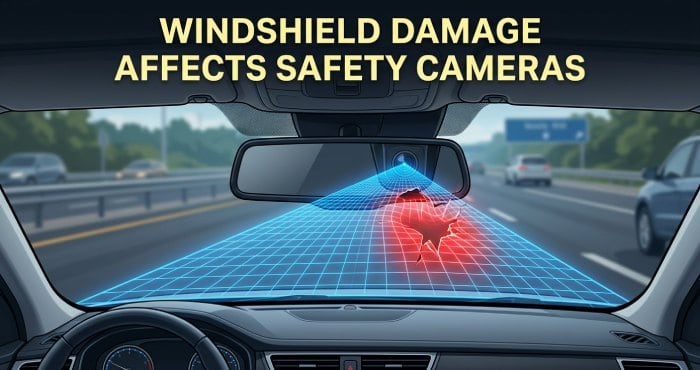
Forward-facing cameras are commonly mounted near the rearview mirror. These cameras support lane departure warning, lane keeping assistance, traffic sign recognition, automatic high beams, and collision avoidance features. Paintless dent repair(PDR) can help remove minor dents without damaging the vehicle’s original paint, while preserving its exterior finish. A windshield replacement , chip, or crack can change the camera’s field of view if the glass, mounting bracket, or calibration is not handled correctly.
Camera Calibration Is Part of Modern Car Repair
Modern car dent repair often requires static or dynamic calibration after windshield replacement. Certified technicians and repair professionals must follow the manufacturer’s calibration procedures, which may include precise target placement, proper ride height, tire pressure checks, and a controlled road test.
After a side impact, technicians should check the affected blind-spot monitoring sensors, mounting brackets, and nearby wiring. If the impact may have changed sensor alignment, follow the vehicle manufacturer’s inspection and calibration procedures to help restore proper system operation.
Way #4: Parking Sensor Scratches Can Cause False Alerts
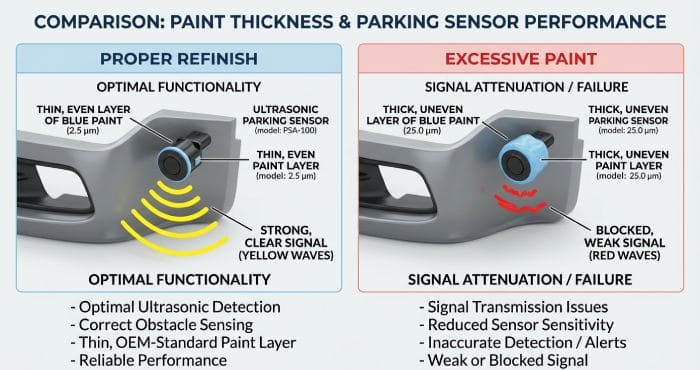
Ultrasonic parking sensors are small, but they are sensitive. A scratched sensor face, thick paint layer, dented bumper, or slightly loose sensor retainer may cause false alerts or prevent alerts altogether. Drivers may hear constant beeping even when no object is nearby, or they may receive no warning when backing toward an obstacle.
Refinish Quality Can Affect Sensor Accuracy
During damage repair, a body shop must avoid excessive paint buildup over sensors. Certified technicians know that sensor openings, clips, and bezels must be repaired or replaced according to manufacturer guidelines. Poor refinishing may turn a simple auto collision into a recurring customer service problem.
This is where a repair guarantee matters. When an auto body shop stands behind quality repairs, customers know they can return if a sensor concern appears after the vehicle repair. A free estimate should identify whether parking sensor components need replacement, recalibration, or diagnostic testing.
Way #5: Minor Front-End Impacts Can Interfere With Adaptive Cruise Control
Adaptive cruise control depends on accurate radar or camera data. A minor front-end auto collision can shift the grille, bumper reinforcement, emblem-mounted radar, or lower air intake area. Even if the vehicle still drives normally, the system may misread distance and closing speed.
Hidden Alignment Problems Can Create Safety Risks
A collision repair inspection should include more than visible panels. The collision center should check brackets, grille shutters, sensor covers, and structural alignment. Certified technicians may need scan tools and calibration equipment to confirm that adaptive cruise control is functioning correctly.
Even when exterior damage appears minor, technicians may need to inspect sensor brackets, mounting points, and alignment to determine whether adaptive cruise control is functioning correctly. Any required sensor calibration should follow the vehicle manufacturer’s repair procedures.
Way #6: Hidden Wiring Damage Can Interrupt Sensor Communication
Diagnostics Are Essential After an Auto Collision
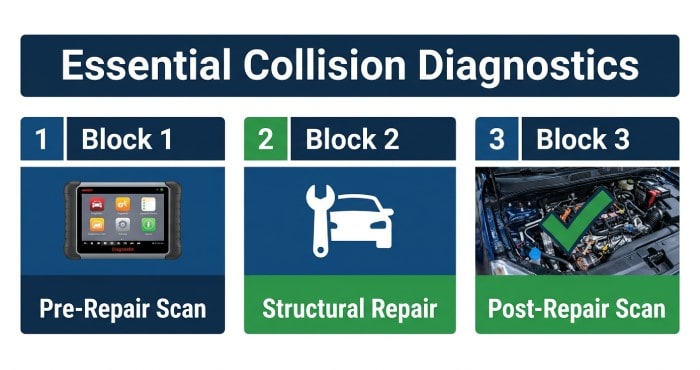
A professional auto body shop should perform pre-repair and post-repair scans where appropriate. This diagnostic step helps repair technicians find stored fault codes and communication problems. In the modern repair industry, car repair is increasingly electronic, and trained professionals must understand both body structure and onboard systems.
Way #7: Improper Repairs Can Compromise Vehicle Safety Features
Choose a Collision Center Focused on Complete Vehicle Repair
When selecting a body shop, ask about repair warranties, free estimates, and insurance claim assistance. A reliable collision center should explain the repair process, help coordinate insurance claims, and maintain clear communication throughout the service.
Quality collision repair requires trained technicians, specialized equipment, and careful attention to vehicle safety. Whether your car needs minor accident repairs or more extensive work involving sensors and calibration, choose certified professionals who understand modern vehicle technology. As repair demands evolve, skilled technicians must combine traditional repair methods with advanced diagnostic tools to help restore vehicles to proper operating condition.
About The Author