
The Science Of Car Dent Repair: How Experts Bring Your Vehicle Back To Perfection
When it comes to owning a car, a dent isn’t merely an aesthetic issue; it can decrease its resale value, suggest neglect in maintenance, and potentially undermine the vehicle’s structural integrity in the long run. Although some car owners might think about tackling repairs on their own, the truth is that professional dent repair requires a complex combination of scientific principles, advanced technology, and expert skills.
Understanding the Nature of Car Dents
What Causes Dents in the First Place
Dents usually occur due to impact forces affecting the body panels of your vehicle. These impacts can arise from light collisions, shopping carts, hail, or even improperly opened car doors in confined areas. The main factors influencing the seriousness of a dent include the angle and velocity of the impact, the metal type, and the panel’s structural design.
Interestingly, contemporary car designs incorporate crumple zones that help absorb impacts, allowing for dents to form without causing major harm to the frame. Nonetheless, even minor dents can disrupt a car’s sleek appearance, making professional repair important.
The Science of Metal Behavior
Central to the process of dent repair is the comprehension of metal’s response to stress. Car body panels are mostly composed of steel or aluminum, which possess both elastic and plastic properties. Elasticity permits the metal to flex under pressure temporarily, whereas plasticity causes it to undergo permanent changes, resulting in dents.
Skilled technicians utilize this understanding to reshape the metal back to its original form while preserving its strength. The aim is to reinstate the appearance and structural integrity of the panel.
Techniques in Car Dent Repair
Paintless Dent Repair (PDR)
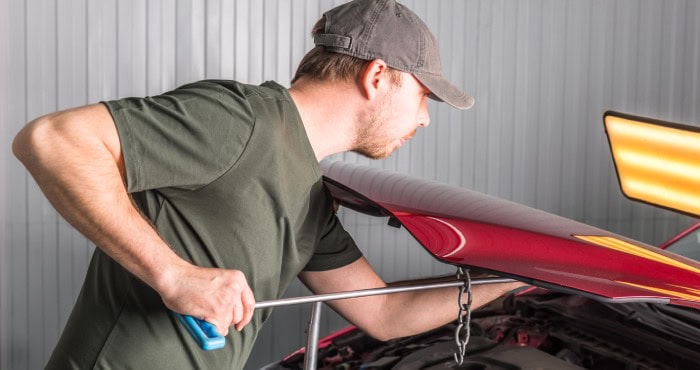
A significant breakthrough in the field of dent restoration is Paintless Dent Repair (PDR). This technique utilizes specialized tools to gently reshape the damaged metal back to its initial form, all while preserving the vehicle’s paint job.
How PDR Works
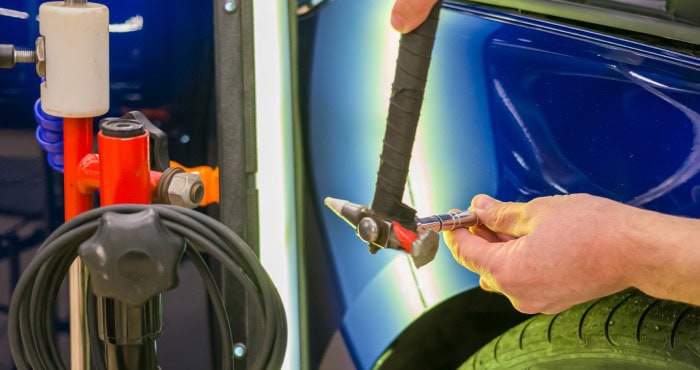
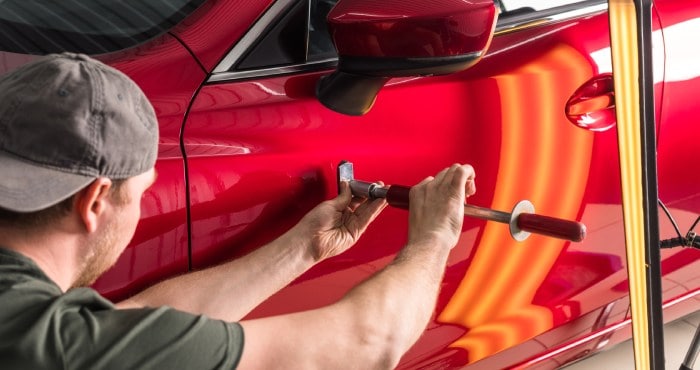
Specialists use slender rods and various tools positioned behind the dented panel to push the indentation outwards. At the same time, they may employ unique tapping methods with a specialized hammer to even out the exterior surface and address minor scratches. This approach eliminates the need for repainting, thereby maintaining the original factory finish while also reducing the visibility of light scratches and considerably minimizing both repair time and expenses.
Advantages of PDR
- Preserves the existing paint and surface
- Reduces the time needed for repairs
- More economical than conventional techniques
- Eco-friendly as it avoids the use of harmful chemicals or paints
Paintless Dent Repair (PDR) is suitable for small to medium-sized dents resulting from light accidents or hail. Its success, however, is influenced by the dent’s location and extent.
Traditional Dent Repair Methods
When larger dents damage the paint, traditional repair methods become necessary. This process includes applying body filler, sanding, priming, and repainting the area. These steps ensure even complex or deep dents are fully restored, resulting in a smooth, factory-quality finish that blends seamlessly with the rest of the vehicle.
Step-by-Step Traditional Repair
- Evaluation: Technicians assess the dent to gauge the level of damage present.
- Surface Preparation: The surrounding area is sanded to promote effective bonding of the filler.
- Filling Process: Specialized body fillers are used to smooth out the dent and are allowed to cure.
- Sanding and Smoothing: The filler is shaped and sanded to match the original contours of the panel.
- Priming and Painting: Multiple layers of primer and paint are applied, followed by a clear protective coating.
- Polishing and Final Touches: The last stage ensures the repair blends seamlessly, achieving a factory-like finish.
Although this approach requires more time, it is essential for addressing deeper dents, sharp creases, or areas with damaged paint.
Tools of the Trade
Dent repair specialists utilize specialized tools that blend scientific principles with skilled artistry to help preserve car value. The typical instruments they use consist of:
- PDR rods and hooks: Designed to push dents out from behind panels.
- Dent lifters and pullers: Employed to pull dents outward while preserving the paint.
- Tapping hammers: Perfect for making precise surface adjustments.
- Glue-pulling kits: Used for extracting dents from the exterior.
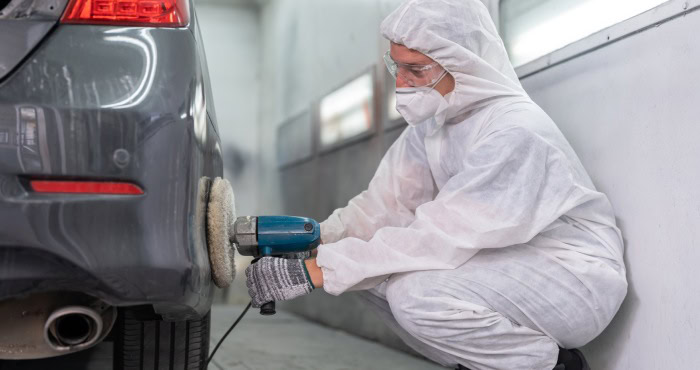
- Sanders, fillers, and spray guns: Crucial for conventional repair methods.
The choice of each tool depends on the dent’s characteristics, its position, and the material involved, showcasing the intricate combination of technique and knowledge in their work.
The Role of Technology in Modern Dent Repair
The dent repair sector has been revolutionized by technological progress. Advanced 3D scanning tools enable technicians to create precise maps of dents, facilitating accurate restorations. Meanwhile, paint-matching innovations utilize spectrophotometers to duplicate factory paint hues with remarkable fidelity.
Moreover, computerized systems help regulate temperature and curing processes during conventional repairs, guaranteeing proper adhesion of fillers, primers, and paints for enduring results. This blend of science and technology makes the repaired vehicle almost identical to its original, undamaged condition.
Why Professional Dent Repair Matters
Preserving Vehicle Value
A dent that has been expertly fixed preserves both the visual charm of the car and its resale potential. On the other hand, shoddy repairs or do-it-yourself attempts might diminish the vehicle’s value and lead to lasting problems, including rust or misaligned bodywork.
Ensuring Safety and Integrity
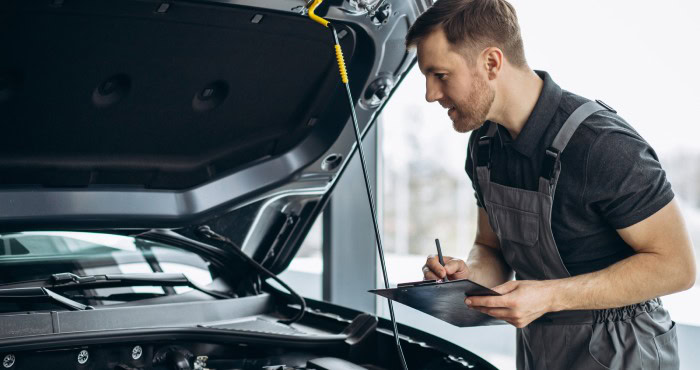
Apart from the visible damage, dents can occasionally conceal more serious structural issues. Experts have the skills to identify any potential problems that may affect safety. Whether it’s a faint wrinkle in a crumple zone or concealed damage behind a door panel, professional repairs guarantee that your vehicle stays safe on the road.
Achieving Perfection
Repairing dents is both a skill and a science. Seasoned professionals blend their knowledge of how materials react with cutting-edge tools and technology to bring a vehicle back to pristine condition. The end product is a perfectly smooth surface that appears as if the dent was never there.
Car dent repair involves a combination of skill, method, and modern technology to bring a vehicle back to its original state, often complementing professional collision repair services. When handled by a knowledgeable professional, even difficult dents resulting from minor collisions can be fixed without damaging thecar’s structure or surface. In the end, expert dent and collision repair improve the vehicle’s aesthetics and help maintain its value over time.
About The Author