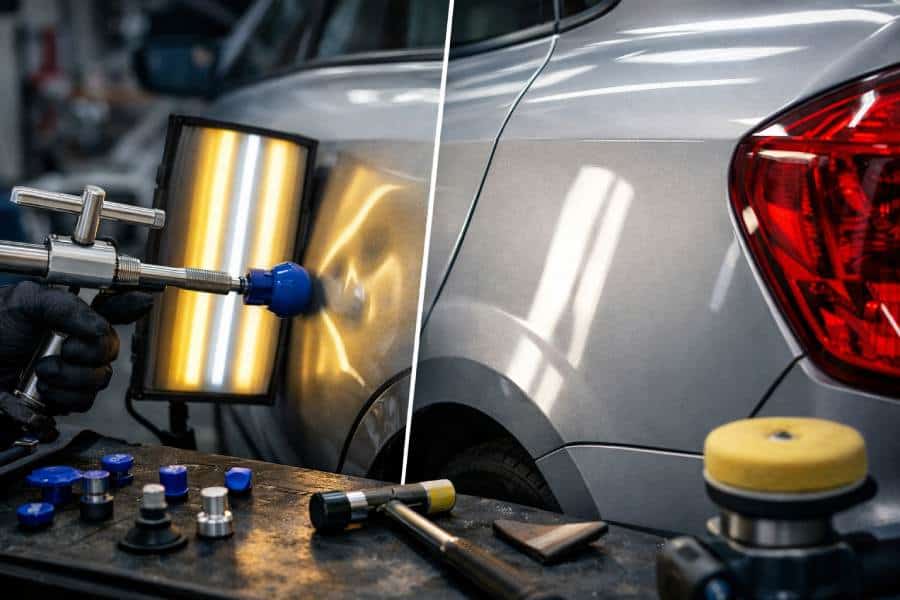
Dent Repair Guide: Reclaiming Your Vehicle’s Factory Finish
Your vehicle’s factory finish is more than just visual appeal—it reflects its value, craftsmanship, and care. Even minor dents can disrupt that flawless look and lead to long-term damage if ignored. This dent repair guide explores practical, professional approaches to restoring your vehicle’s original finish, helping you bring back its smooth, showroom-quality appearance with confidence.
Understanding Different Types of Vehicle Dents
When it comes to restoring your vehicle’s original appearance, understanding the various types of dents is the crucial first step. Vehicle dents typically fall into a range of categories including dings, creases, complex dents, and sharp indentations. Each type presents its own unique challenges in dent repair, bodywork, and car repair.
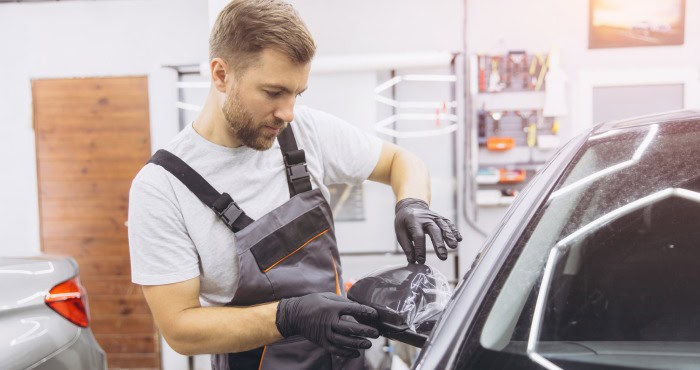
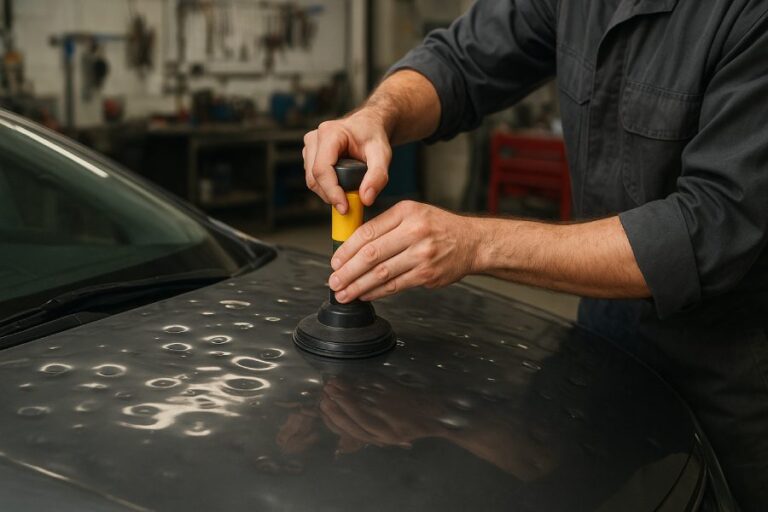
- Dings are small, rounded indentations often caused by parking lot mishaps or minor impacts with other car doors. Since dings usually don’t crack the paint, they are excellent candidates for paintless dent repair (PDR).
- Creases occur when an object drags along the side of a vehicle, leaving a linear indent. These dents can be more challenging for a dent remover to tackle using traditional means but remain suitable for advanced PDR methods.
- Complex dents combine sharp edges with stretched metal, requiring expert PDR tools and techniques—such as glue pulling or cold glue applications—to achieve flawless repair.
- Sharp dents feature a pronounced line or point of impact, frequently appearing on structural areas like a panel or vehicle body. Depending on the severity, these may require panel repair and, on occasion, conventional auto body filler.
Assessing Damage: When to Repair vs. Replace
Determining whether to repair or replace a damaged portion of your vehicle depends on multiple factors, including the location, depth, and extent of the vehicle damage. This assessment should always be handled carefully to ensure efficient car bodywork and protect the vehicle’s factory finish.
Factors in Decision Making
- Extent of Damage: Minor dents, dings, and shallow imperfections are ideal for paintless dent repair or paintless dent removal. In contrast, damage with extensive creasing, torn metal, or paint breakage may require traditional bodywork, including filler or even full panel replacement.
- Location: Dents on easily accessible panels, such as a rear side damage area, can often be fixed by a skilled dent technician using massaging dents techniques or cold glue applications. Internal struts or edges may complicate the panel repair and necessitate a more invasive approach.
- Age and Value of Vehicle: Older or high-value vehicles, including classic models and brands like BMW Mini, benefit from PDR methods to retain factory paint and originality. For modern customer vehicles, comprehensive collision repair may be more cost-effective if damage is structural.
DIY Dent Repair Methods and Tools
Essential DIY Methods
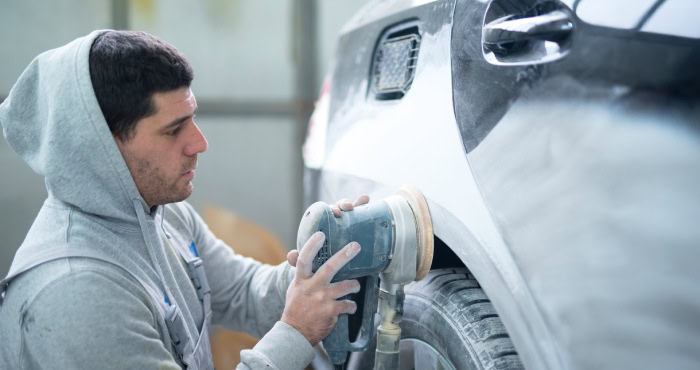
- PDR Tools: Specialized PDR tools—often available through providers like Spreadshop or in kits recommended by experts such as Dent-Remover—allow you to reach behind panels and gently massage out minor dents. The “massaging dents” technique requires patience and a steady hand.
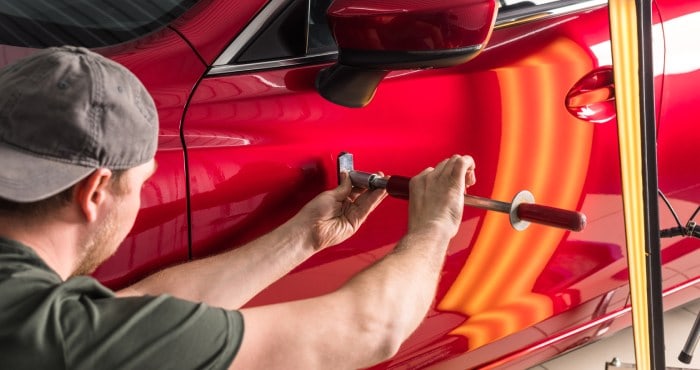
- Glue Pulling and Cold Glue: For dents where rear access is restricted, glue pulling uses hot glue and tabs to attach to the dent, which is then softly pulled outward to restore the panel. Cold glue, a newer technique embraced in the repair industry, offers a less invasive but still highly effective way to address minor vehicle damage without heat.
- Panel Repair: DIY panel repair may also involve low-tack adhesives and careful leverage, once again emphasizing the importance of step-by-step execution and expert tips to achieve a flawless finish and long-lasting repair results.
Step-by-Step: DIY Paintless Dent Removal
1. Assess and clean the damaged panel.
2. Select appropriate PDR tools or glue systems.
3. Apply glue or insert the dent remover tool behind the dent.
4. Slowly and methodically massage or pull the dent outward.
5. Repeat as necessary, checking for alignment and smoothness.
While DIY car bodywork can save on automotive repair costs, it’s essential to recognize the limits. Severe auto collision damage or deep, complex dents are best left to professionals specializing in collision repair, as improper fixes can compromise vehicle safety and structural integrity. Many online resources, such as repair tutorials on channels like MasterOfNone, Novella, and BRAIN TIME, offer invaluable advice for new dent technicians and ambitious car owners seeking expert tips on minor dent removal, bodywork techniques, and basic collision repair concepts.
Professional Dent Repair: What to Expect
For dent repair needs beyond basic dings or when a flawless factory finish is paramount, turning to a skilled dent technician guarantees the best outcome. Professional repair shops—including leaders like DENT-REMOVER LTD or organizations showcased on YouTube—offer advanced paintless dent repair and auto body services for a full spectrum of vehicle damage.
The Professional Repair Process
1. Initial Assessment:
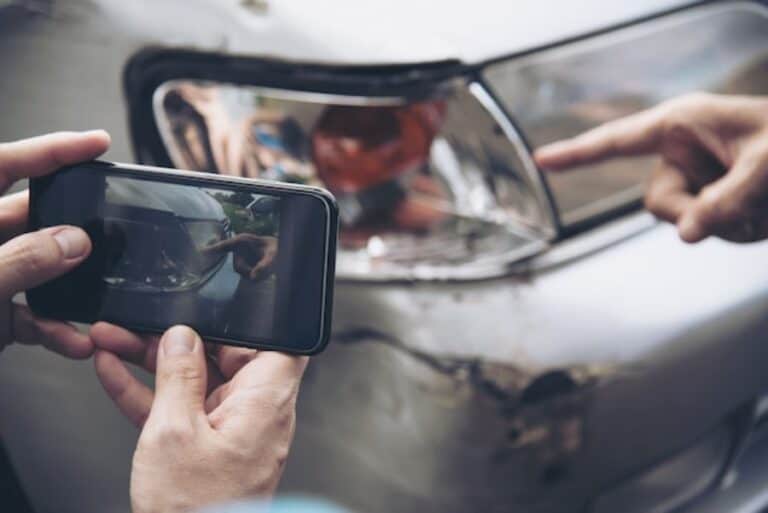
A qualified technician evaluates the dent size, location, and effects on vehicle body structure. Digital analysis and precision lighting help identify the repair strategy.
2. Paintless Dent Removal (PDR):
Using advanced PDR tools, the technician massages dents from behind the panel or employs glue pulling and cold glue systems for inaccessible areas. This process restores panels with no painting required, protecting the original finish.
3. Panel Repair and Filling:
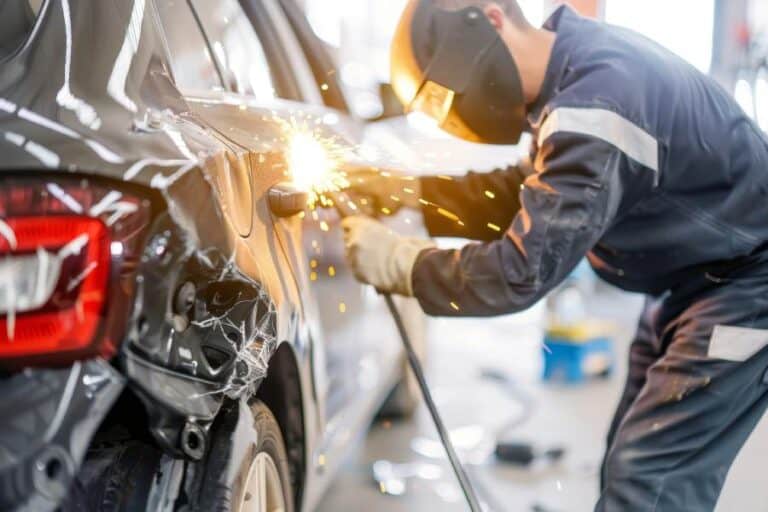
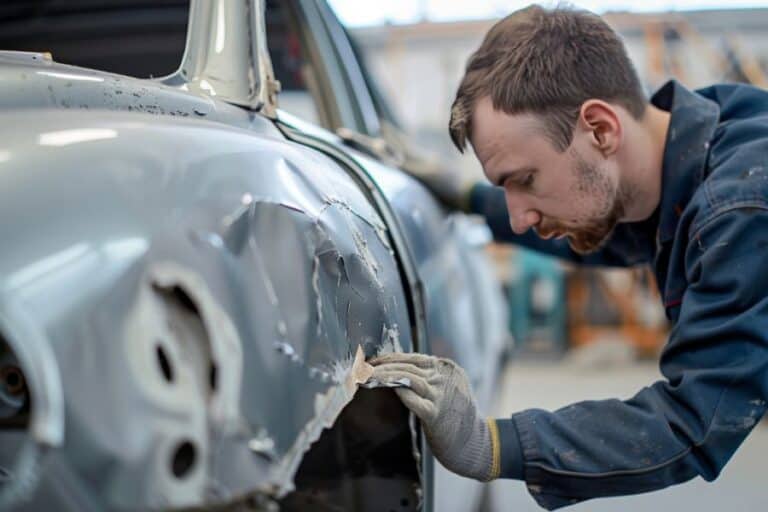
For dents where paint has been cracked or the panel is severely stretched, a combination of filler, bodywork, and repainting is implemented. Collision repair specialists ensure the surface blends seamlessly with existing paintwork.
4. Quality Control:
Final inspection uses reflective boards, light tunnels, and careful touch assessment to ensure the finished repair achieves the highest standard—often indistinguishable from the original panel finish.
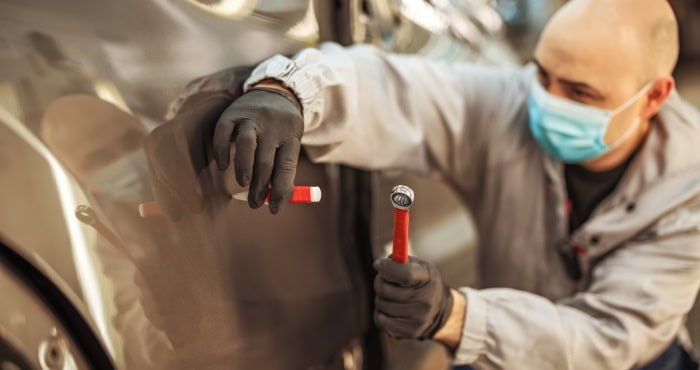
Professional repair establishments are relied upon by insurance companies and discerning vehicle owners alike, particularly because they work closely with insurance coverage requirements to ensure accurate assessments and compliant repairs. Whether restoring a rare BMW Mini, repairing rear-side collision damage on an Audi A1, or fixing vehicles for fleet customers under comprehensive or third-party insurance coverage, leading technicians follow a meticulous, step-by-step approach to handle even the most complex collision repair scenarios.
Final Thought
Restoring your vehicle appearance doesn’t have to be complicated or invasive. With the right approach, modern dent repair techniques can effectively remove imperfections while preserving your car’s factory finish, paint integrity, and overall value. Whether you choose paintless dent repair for minor damage or professional repair methods for more severe dents, timely action is key to preventing long-term issues. By trusting skilled technicians and proven repair processes, you ensure your vehicle maintains its showroom-quality look and continues to reflect the standards set by the manufacturer.
About The Author