
3 Types Of Motorcycle Dents And The Best Repair Solutions
Motorcycles prioritize performance, agility, and visual appeal, but their exposed design makes them more vulnerable to dents, dings, and scratches from minor falls, parking mishaps, or road debris. While these imperfections may appear purely cosmetic, ignoring them can affect aerodynamics, fuel efficiency, safety, and resale value. Understanding the common types of motorcycle dents, along with related dings and scratches, and the most effective dent repair methods helps riders make informed maintenance decisions. This article explores three prevalent dent types, their causes, and the best repair solutions for each.
Type 1: Fuel Tank Dents
Fuel tank dents are among the most common and noticeable motorcycle damages because their large, exposed position makes them vulnerable during tip-overs or crashes.
Reasons for Fuel Tank Dents
Fuel tank dents generally arise from:
- Minor falls or mishaps while parking
- Handlebar strikes when the bike is down
- Accidents involving objects at the roadside
- Inadequate securing or transporting methods
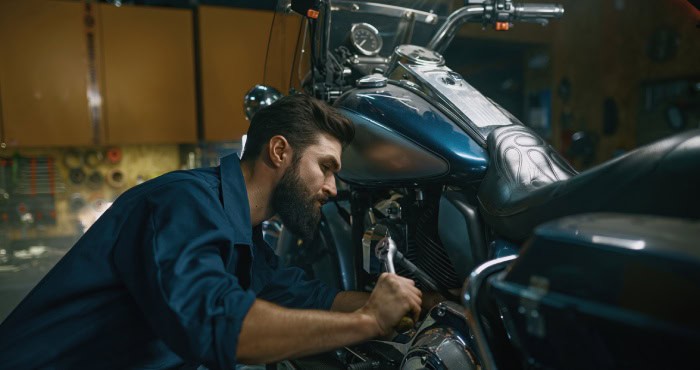
Even a minor dent can significantly alter the motorcycle’s aesthetics and, in certain situations, may interfere with the flow of fuel or the structural soundness of the tank.
Best Repair Solutions for Fuel Tank Dents
Paintless Dent Repair (PDR)
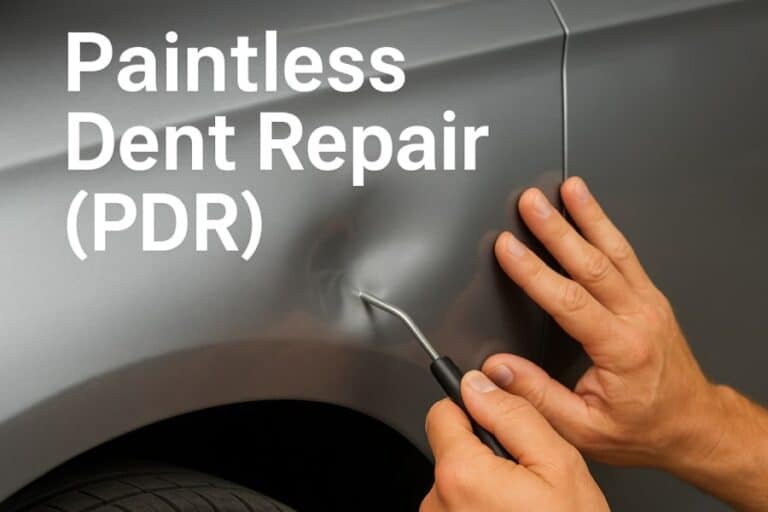
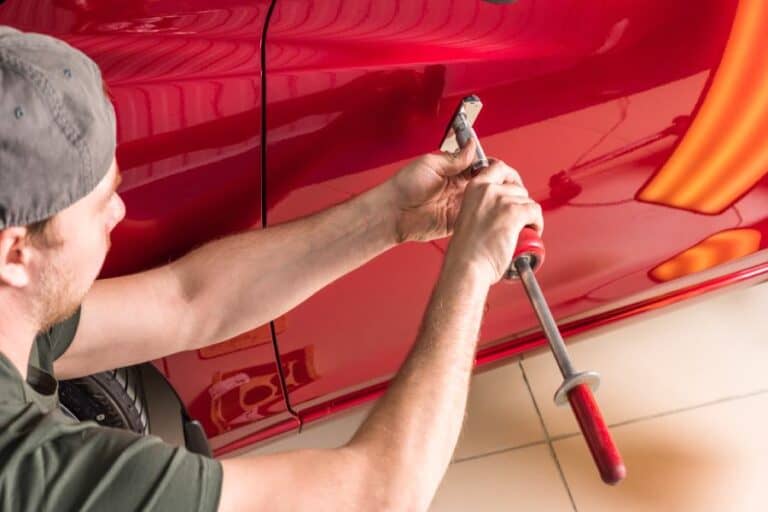
Paintless Dent Repair(PDR) is a highly effective method for addressing minor to moderate dents on fuel tanks while maintaining the original paint and finish. It works best for shallow dents that haven’t damaged the paint and offers a budget-friendly, quick repair by reshaping the metal internally without the need for repainting.
Conventional Dent Repair and Repainting
Conventional dent repair is appropriate for deeper dents or tanks that have paint chips or cracks, as it focuses on restoring both the structure and aesthetic appeal. Although this technique is usually pricier, it involves filling, sanding, and repainting, ensuring long-lasting resilience when PDR is not feasible.
Fuel Tank Replacement
Replacing the fuel tank is advisable in cases of significant damage, rust, or leaks that affect its structural integrity. While this is the most expensive option, having the replacement performed by a skilled technician guarantees complete safety and reliability, eliminating the risk of future issues.
Type 2: Fairing and Body Panel Dents
Motorcycle fairings and body panels enhance aerodynamics and protect components but are prone to dents because they’re made from lightweight materials like plastic, fiberglass, or metal.
Causes of Fairing and Body Panel Dents
Frequent reasons for these issues are:
- Small accidents or slips
- Impact from debris during rides
- Incorrect storage or handling methods
- Warping due to heat exposure
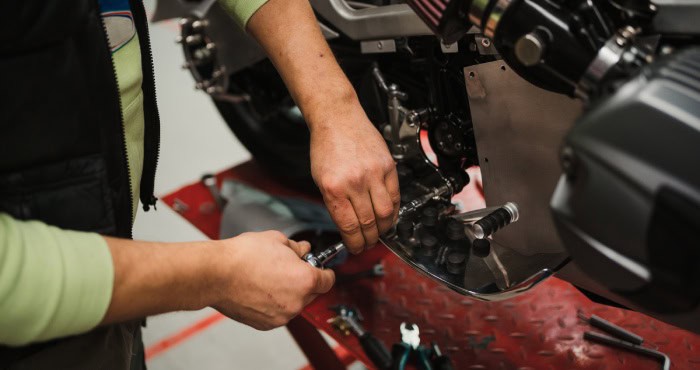
Although these dents might not influence engine functionality, they can greatly diminish the aesthetic value and often require professional collision repair to restore the vehicle’s appearance.
Best Repair Solutions for Fairing and Body Panel Dents
Heat Reshaping for Plastic Panels
Plastic fairings with minor dents or warping can often be reshaped using controlled heat from heat guns or hot water. When done carefully, this method allows the plastic to return to its original form without melting or weakening the panel.
Plastic Welding and Filling
Plastic welding combined with filler material is ideal for cracked or deeply dented panels, as it restores both strength and shape. The process requires sanding and repainting to achieve a smooth, professional, and cosmetically perfect finish.
Panel Replacement
Panel replacement is often the best option for severely cracked, brittle, or extensively damaged plastic parts, especially when the damage to the paint is extensive. It ensures factory-fit alignment and is frequently quicker than complex repairs, particularly for sport and touring motorcycles with widely available aftermarket panels.

Type 3: Frame and Structural Dents
Frame dents represent the most critical level of damage that a motorcycle can sustain. In contrast to superficial dents, structural damage can jeopardize safety, stability, and alignment.
Causes of Frame and Structural Dents
Typically, these dents occur due to:
- High-impact collisions
- Significant accidents or crashes
- Incorrect lifting or towing methods
- Issues related to manufacturing or metal fatigue
Even minor frame dents can result in enduring performance and safety concerns, making assessment with a PDR tool essential where applicable.
Best Repair Solutions for Frame and Structural Dents
Professional Frame Alignment
The task of aligning motorcycle frames must always be carried out by certified technicians who utilize precision measurement tools. This vital procedure restores the correct alignment and geometry, which is crucial for ensuring safe maneuverability and overall riding stability.
Welding and Structural Reinforcement
Welding can address specific frame dents, but it necessitates a high level of expertise and strict compliance with the manufacturer’s safety protocols. This repair method is generally accompanied by stress testing and is only advisable if the frame material and extent of damage permit a secure fix, while also preserving the vehicle’s appearance.
Frame Replacement or Total Loss
In cases of significant frame damage, replacing the frame or deeming the motorcycle a total loss is often the safest course of action. While this option can be expensive and may feature in insurance claims, it prioritizes the rider’s safety by removing any serious structural hazards.
Choosing the Right Repair Solution
Important Considerations
When evaluating a dent on a motorcycle, take into account the extent and size of the damage, the state of the paintwork, and whether the affected area is composed of metal or plastic. Additionally, it’s crucial to assess any potential safety concerns and the possible effects on the bike’s resale value. While minor cosmetic dents can typically be repaired easily, deeper or more structural damage may need more careful consideration.
When to Seek Expert Advice
It’s advisable to seek the assistance of a professional if the dent compromises essential parts, such as the fuel tank or frame, or if you notice cracks or peeling in the paint. Also, if the motorcycle exhibits unusual handling or alignment, it’s best to have it evaluated by an expert. Any damage sustained in an accident should be thoroughly inspected to identify any concealed structural or safety issues.
Motorcycle dents can vary significantly, from small aesthetic imperfections to major structural harm. The primary categories include dents in the fuel tank, fairing or body panels, and the frame itself. Minor damage is typically addressed through methods like paintless dent repair or thermal reshaping, whereas more severe or safety-related issues might necessitate welding, conventional repair work, or even replacing parts. Taking swift action with a professional repair shop is essential for preserving the motorcycle’s look, safety, functionality, and overall value in the long run.
About The Author