
7 Reasons Paintless Dent Repair Is The Modern Solution For Hail And Door Dents
Small dings from hail, accidents in parking lots, or accidental door swings rank as some of the prevalent forms of damage to vehicles. Though they may appear superficial, these flaws can diminish your car’s value and impact its aesthetic appeal. Recently, Paintless Dent Repair (PDR) has risen to prominence as the leading contemporary method for effectively and affordably fixing hail damage and door dings.
Here are seven important reasons why paintless dent repair is favored by both car owners and industry experts.
1. Preserves the Original Factory Paint
Why Factory Paint Matters
One of the most significant advantages of paintless dent repair is that it maintains your vehicle’s original paint finish.
a. Avoiding Repainting Risks
Conventional dent repair typically requires sanding, filling, and repainting the affected section. This method may result in:
- Minor color discrepancies
- Overspray or inconsistent texture
- Lower resale attractiveness
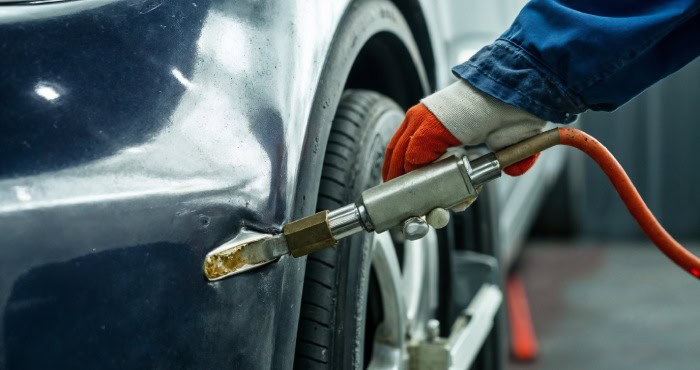
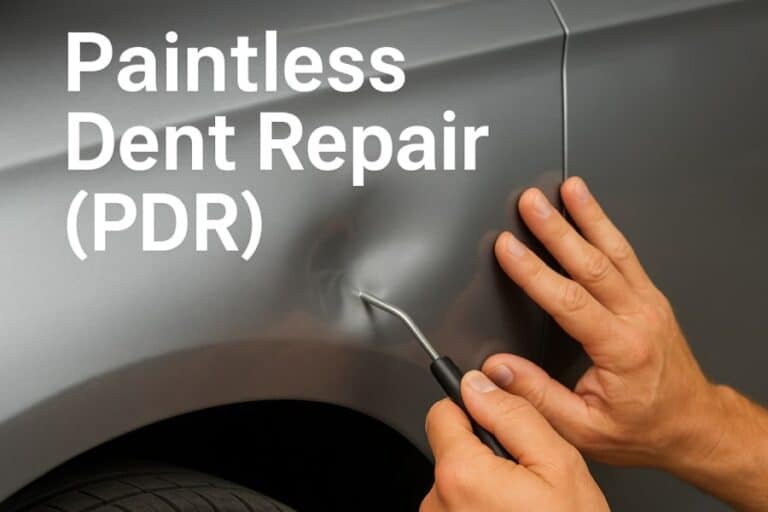
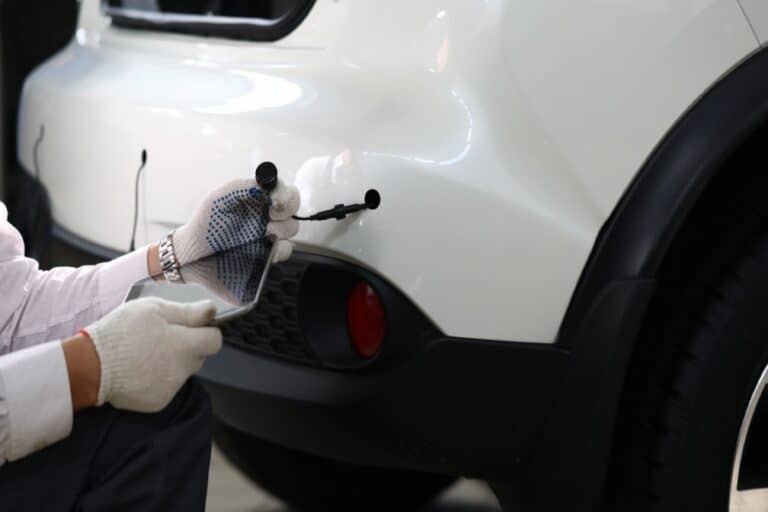
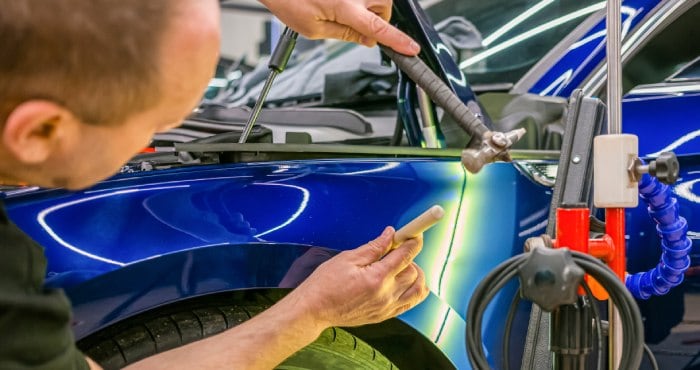
In comparison, paintless dent repair (PDR) takes a different approach by addressing the issue from behind the body panel, carefully reshaping the metal without affecting the paint.
b. Long-Term Value Preservation
Original factory paint is usually more resilient and uniform than repaint jobs done afterward. Keeping the original paint intact safeguards:
- The resale value of the vehicle
- Any manufacturer paint warranties
- The overall visual appeal of the vehicle
2. Cost-Effective Compared to Traditional Repairs
Lower Labor and Material Costs
Paintless dent repair (PDR) removes the necessity for:
- Body fillers: Requires applying filler material to reshape and level damaged areas.
- Primer and paint: Involves recoating the repaired surface to restore color and finish.
- Extensive sanding and refinishing: Demands time-consuming sanding to smooth the area before final refinishing.
a. Lower Repair Costs
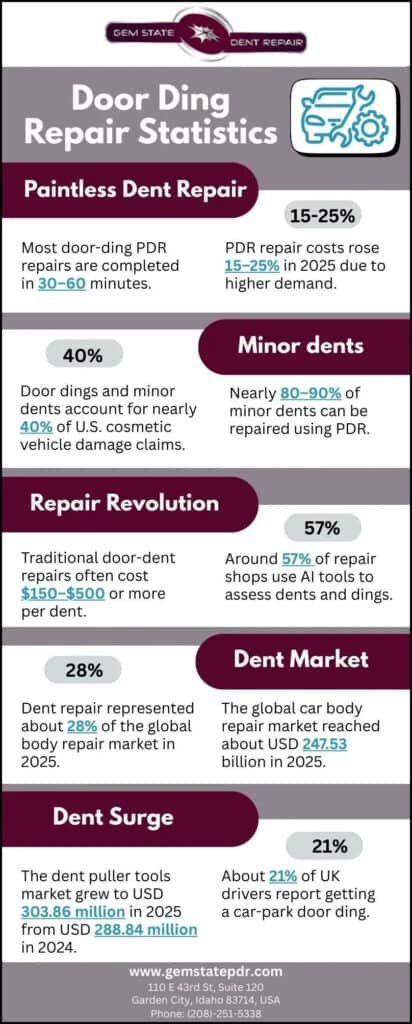
Since PDR emphasizes expert skill instead of relying heavily on materials, the amount of labor required is significantly decreased. Consequently, this usually leads to reduced repair costs, particularly for hail damage that involves several dents.
b. Insurance-Friendly Option
Numerous insurance providers prefer PDR for claims related to hail and minor dents due to its:
- Lowers total costs.
- Facilitates faster claims handling.
- Could lead to decreased deductibles.
3. Faster Turnaround Time
Minimal Downtime for Your Vehicle
In contrast to traditional auto body repairs that can be time-consuming, sometimes stretching over several days or weeks, paintless dent repair can frequently be finished in just a few hours.
Perfect for Tight Timelines
Whether it’s small door dings or moderate hail damage:
- Same-day service is often available
- No need to wait for paint to cure or dry
- Minimal impact on daily activities
Quick Repairs with No Compromise on Quality
The quick turnaround doesn’t sacrifice quality. When executed by a skilled technician PDR achieves outstanding results much faster.
4. Environmentally Friendly Repair Method
Reduced Environmental Impact
Paintless dent repair (PDR) is viewed as an eco-friendly option compared to standard auto body repair methods.
a. Removing Toxic Chemicals
Traditional repair processes often depend on:
- Utilizes solvents for paint thinning.
- Demands the use of chemical additives.
- Emits volatile organic compounds (VOCs).
PDR completely bypasses these harmful materials, contributing to lower air pollution and minimizing hazardous waste production.
b. Eco-Friendly Vehicle Maintenance
By making use of existing materials and minimizing waste, PDR promotes more sustainable vehicle upkeep — an essential consideration for environmentally aware car owners.
5. Maintains Vehicle Value and Appearance
Protecting Resale and Trade-In Value
Apparent dents, even minor, can adversely affect:
- Maintains vehicle resale value.
- Improves trade-in offers.
- Enhances buyer impressions.
a. Flawless Finish
When executed properly, paintless dent repair (PDR) ensures that no traces of damage or repairs remain, allowing your vehicle to maintain an immaculate and cared-for appearance.

b. Optimal for Lease Returns
PDR is particularly advantageous for leased cars:
- Aids in preventing expensive end-of-lease fees
- Restores panels to a condition close to their original state.
6. Effective for Hail Damage and Door Dents
Specialized for Common Dent Types
Paintless dent repair excels in addressing:
- Dents from hail that are distributed over various panels
- Dings caused by car doors in parking areas
- Shallow dents and minor creases
a. Expert Tools and Methods
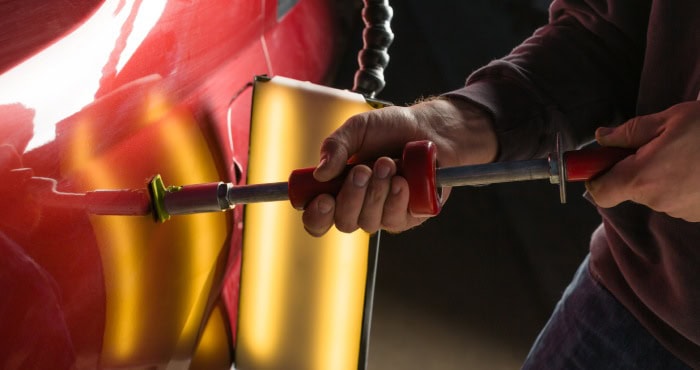
Technicians employ advanced PDR tools such as rods, picks, and specialized lighting to:
- Accurately identify the location of dents
- Gradually reform the metal
- Restore the panels’ original shapes
b. Ideal for Contemporary Cars
Today’s automotive paints are adaptable and durable, making them compatible with PDR methods without risk of cracking or chipping.
7. Non-Invasive and Structurally Safe
No Cutting or Panel Replacement
Conventional repairs can require making holes, taking off panels, or swapping out components.

a. Preserving Structural Integrity
Paintless dent repair:
- Works without changing factory seams.
- Prevents weakening of panels.
- Maintains the original metal.
b. Peace of Mind for Vehicle Owners
Since PDR is a non-invasive method, it carries a lower likelihood of:
- Undetected damage
- Prolonged corrosion
- Safety risks being compromised
Why Paintless Dent Repair Represents the Future of Auto Body Repair
Paintless dent repair (PDR) is a specialized technique that incorporates both artistic finesse and scientific principles. Skilled technicians utilize their precision, experience, and patience to meticulously restore a vehicle’s exterior without harming the original paint. Each repair demands acute observation and steady hands to produce flawless results.
The acceptance of paintless dent repair has been on the rise among automakers, insurance companies, and consumers. Its ability to preserve factory finishes while minimizing both repair time and expenses has established PDR as the go-to choice for minor blemishes.
With the ongoing evolution of vehicle designs featuring lightweight materials and innovative paint systems, paintless dent repair methods are also progressing. This flexibility ensures that PDR remains a viable repair option alongside traditional dent repair methods, meeting contemporary automotive requirements without sacrificing quality.
Conclusion: A Smarter Way to Fix Dents
Paintless dent repair (PDR) has revolutionized the approach to hail damage, door dents, and minor collision repair. It maintains the original factory finish, cuts expenses, shortens repair times, and aligns with eco-friendly practices, making PDR the go-to option for contemporary vehicle owners.If you’re facing damage from hail, a pesky dent from a parking lot, or light collision repair needs, opting for paintless dent repair is a wise, efficient choice that retains the value of your car compared to conventional bodywork. With a skilled technician, your vehicle can be restored to its former glory — swiftly, safely, and effortlessly.
About The Author