
How Collision Repair Protects Your Vehicle’s Crashworthiness and Safety Ratings
Collision repair is vital for maintaining a vehicle’s ability to safeguard its occupants during accidents. Modern cars are built with specially designed crumple zones, robust structural features, and sophisticated safety technologies that collectively dissipate impact energy and minimize injury risks. After an accident, it is crucial to carry out proper repairs to reinstate these safety functions.
Expert collision repair involves more than just fixing vehicle aesthetics. Technicians adhere to manufacturer guidelines, utilize authorized parts and materials, and conduct thorough inspections and calibrations to ensure the vehicle complies with its original safety standards. By reinstating both structural strength and the effectiveness of safety systems, high-quality collision repair helps maintain the vehicle’s safety ratings and ensures occupant protection in potential future collisions.
What Crashworthiness Means and Why It Depends on Proper Structural Repair
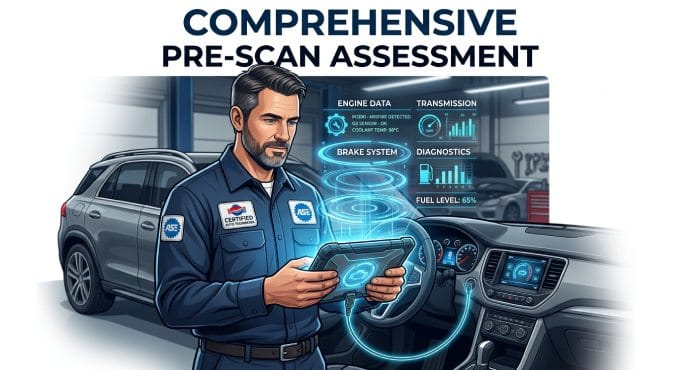
Crashworthiness describes how well a vehicle safeguards its passengers in the event of an accident, highlighting the importance of collision repair as a vital safety measure rather than merely aesthetic work. A reputable body shop starts with a comprehensive evaluation of the damage and a pre-scan to uncover any underlying problems.
This process allows certified technicians to accurately identify necessary repairs, which may include fixing the bumper and fender, replacing auto glass, addressing hail damage, correcting paint imperfections, and restoring structural integrity.

Structural Integrity Is More Than Appearance
Even when panels look aligned, hidden structural damage can compromise crashworthiness. Proper auto body repair requires disassembly, measurement, parts ordering, and a written repair plan based on the vehicle manufacturer’s procedures. A transparent process helps customers, insurance companies, and the repair center understand what is required to restore the vehicle safely.
Why a Free Estimate Should Start the Safety Conversation
A free estimate should do more than identify visible dents. It should explain the repair process, possible insurance claims steps, towing and rental options, enterprise rental coordination through Enterprise or alternatives such as Hertz, and whether the customer may need a more complete teardown before final pricing. Honest pricing, customer service, and appointment booking with friendly staff all help create customer-first repairs.
How Collision Damage Can Affect Safety Systems, Sensors, and Airbag Performance
Sensors, ADAS, and Hidden Faults
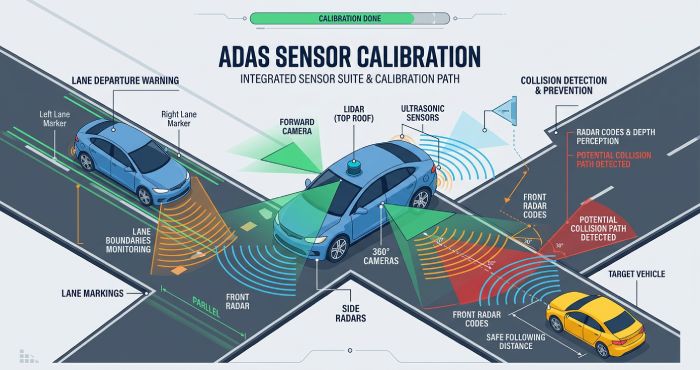
Contemporary Advanced Driver Assistance Systems (ADAS) depend on the exact positioning of sensors and cameras. Consequently, any repairs to components like bumpers, windshields, fenders, or painted areas could impact the safety features.
Qualified technicians conduct scans before and after repairs to detect any issues, confirm everything is functioning correctly, and assess if calibrations are required. Keeping a record of diagnostic findings, calibrations, and quality assessments is essential for guaranteeing that the repair is done safely and correctly.
Airbag Timing Depends on Correct Repairs
Airbags deploy based on impact data and structural load paths. If a rail, apron, bumper reinforcement, or weld flange is repaired incorrectly, the crash pulse may change. That can affect when airbags deploy and how seatbelts restrain occupants. Professional vehicle repair protects the system’s intended timing.
A reputable body shop will not skip hidden repairs just to satisfy pressure from insurance companies. While insurance companies are important partners in the claim, the auto body repair must still follow safety requirements.
The Role of OEM Repair Procedures, Approved Parts,
Approved Parts and Manufacturer Guidance
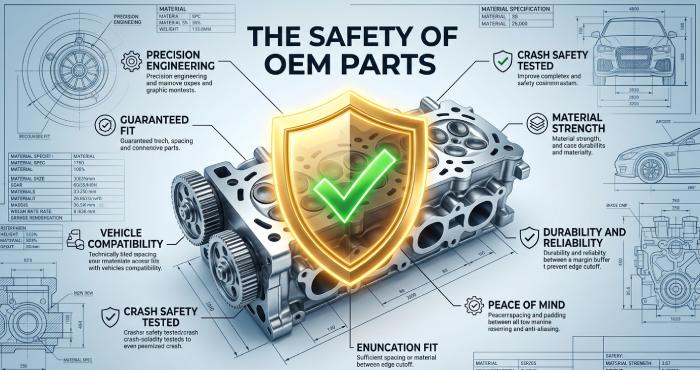
Employing parts that are certified by the manufacturer ensures that the vehicle retains its original design, proper fit, and safety capabilities. When paired with OEM certifications, I-CAR training, and cutting-edge repair technologies, certified technicians possess the knowledge and tools essential for executing safe and top-notch collision repairs on various vehicle types.
Lifetime Warranty and Lifetime Guarantee Protection
A lifetime warranty or guarantee can instill confidence, but its significance hinges on the quality of the repair work. Whether provided by companies like Crash Champions or a neighborhood body shop, having a written warranty clarifies what is covered and reflects assurance in the craftsmanship even after the vehicle has been serviced.
Why Frame Alignment, Weld Quality, and Materials Matter for Safety Ratings
Frame Measurement and Structural Bodywork
A skilled body shop uses computerized measuring systems and state-of-the-art equipment to compare the damaged vehicle against factory dimensions. Structural bodywork may involve pulling, replacing, sectioning, bonding, welding, or aluminum repair. Improper frame alignment can change suspension geometry, tire wear, steering response, and crash energy distribution.
Certified technicians also understand that some components cannot be heated or straightened without weakening the metal. In many cases, the correct repair process requires replacement rather than repair.
Weld Quality Is a Safety Issue
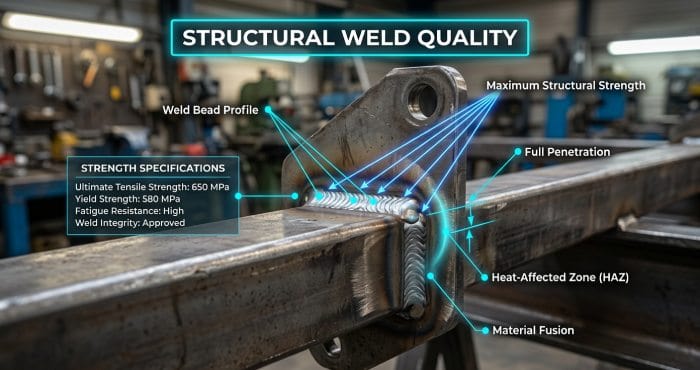
Welds are not just attachment points. They are engineered connections that help the vehicle transfer crash forces. Incorrect weld size, spacing, penetration, or location can reduce structural strength. Quality assurance should include visual inspections, test welds, documentation, and adherence to OEM procedures.
A professional repair center will also protect corrosion coatings after welding and refinishing. Paint and refinish procedures, including the use of waterborne paints, help restore appearance while supporting durability.
Cosmetic Repairs Still Require Technical Judgment
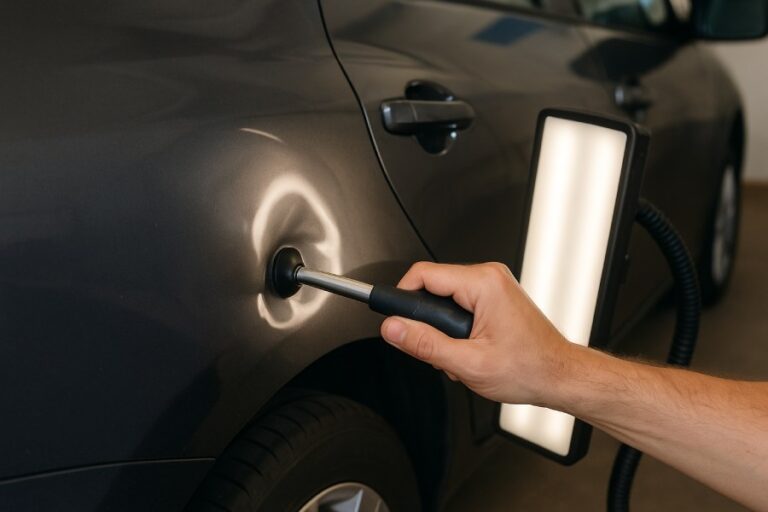
Not every repair is structural, but every repair deserves technical evaluation. Services such as Paintless Dent Repair, paint scratch repair, vehicle detail, hail damage repair, and minor bumper repair can be appropriate when damage is cosmetic and safety systems are unaffected. However, certified technicians should confirm that no hidden structural or electronic issue exists before recommending a lighter repair path.
A free estimate can identify whether a simple auto body repair is enough or whether the vehicle repair needs deeper disassembly and a more comprehensive repair plan.
Post-Repair Inspections, ADAS Calibration, and Documentation to Protect Long-Term Safety
Inspections conducted after repairs help confirm that collision work was done correctly and that critical safety features are operating as they should. Before repairs, pre-scans detect any fault codes, while post-scans verify that those problems have been resolved. Calibrating ADAS systems — such as cameras, radar sensors, lane departure alerts, and adaptive cruise control — is often essential to ensure the vehicle functions safely and effectively.
Comprehensive repair documentation — including estimates, repair strategies, parts invoices, calibration records, quality assurance checklists, and warranty details — serves as important evidence of the work completed. When the vehicle is returned, the body shop should go over the repairs, outline warranty coverage, and address any outstanding queries. A trustworthy repair facility maintains clear communication throughout the process, which safeguards the vehicle’s safety, functionality, and long-term worth.
About The Author