
Post-Storm Checklist: What to Do Within 24 Hours After Hail Hits Your Car
Hailstorms can occur unexpectedly, causing significant damage to your vehicle, including dents, paint chips, and broken glass. The first day following a hailstorm is essential — not only for evaluating the damage, but also for safeguarding your finances and facilitating a smoother repair experience. Taking prompt and organized action can greatly influence the efficiency of your car’s restoration and the success of your insurance claim.
Below is a checklist to help you navigate the steps to take right after your car is affected by hail.
1. Ensure Safety First
Ensure that the storm has fully cleared and it’s safe to venture outside before checking your vehicle. Be vigilant for dangers such as fallen branches, shattered glass, or downed electrical cables. Prioritize your safety over assessing any damage to your property.
When the situation is safe, relocate your car to a protected area if it remains at risk from potential storms or debris.
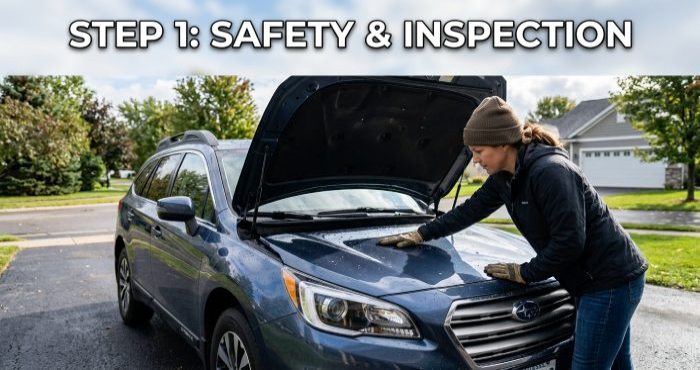
2. Perform an Initial Visual Inspection
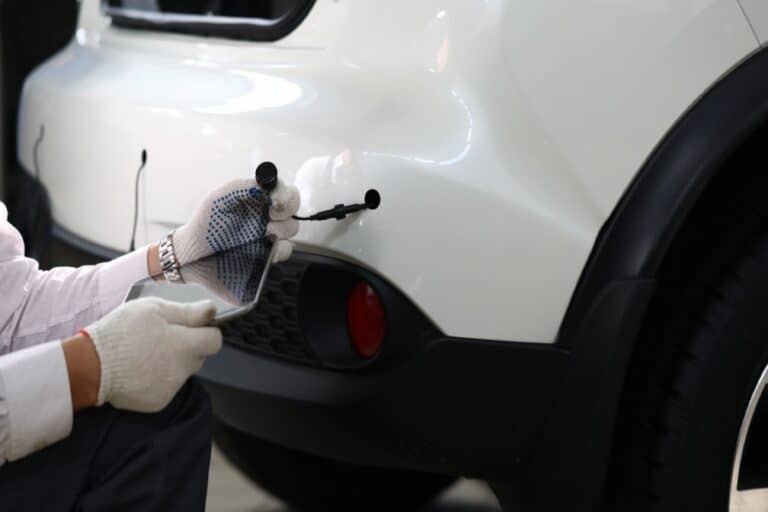
Begin by assessing your vehicle’s overall state. Check for visible indicators of hail damage such as:
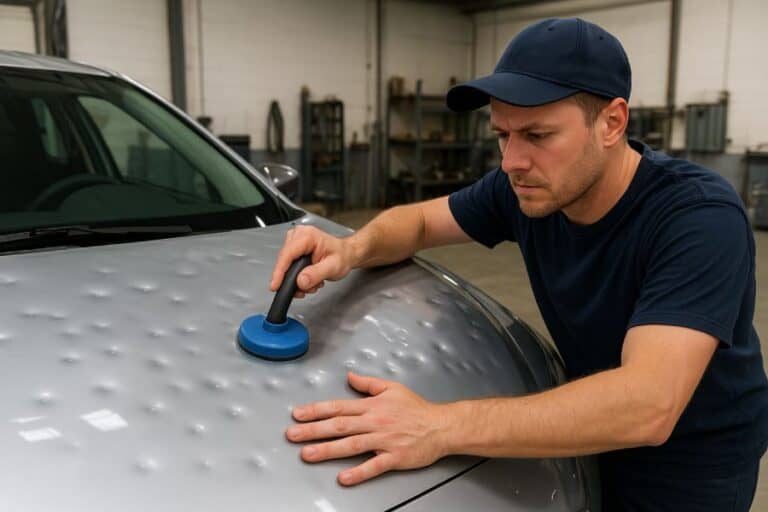
- Dents on the roof, trunk, and hood
- Cracks or chips in the windshield and windows
- Impaired side mirrors or lights
- Scratches or chips in the paint
At this initial assessment, it’s not necessary to identify every minor detail. The aim is to understand the extent of the damage so you can proceed with appropriate actions quickly.
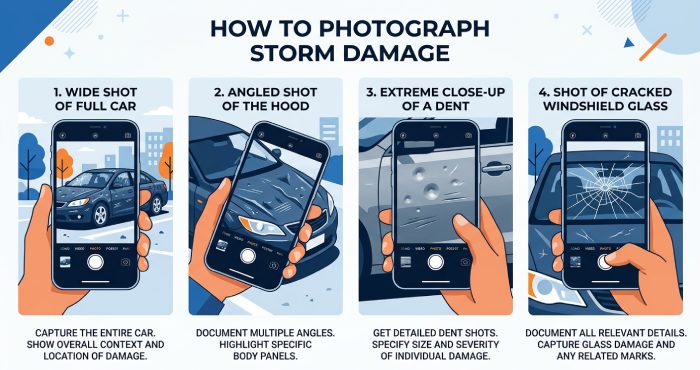
3. Document the Damage Thoroughly
In the first 24 hours, thorough documentation is crucial. Utilize your smartphone or camera to clearly photograph and film all visible damage.
Here are some tips for effective documentation:
- Get shots from various angles of each dent or damaged section.
- Include wide shots that display the whole vehicle.
- Take close-up images for detailed views.
- Document any shattered glass or internal damage.
- If possible, note the date and time of the storm.
This visual proof will be vital for your insurance claim and can help avoid future disagreements.
4. Check for Hidden Damage
Hail damage may not be obvious at first glance. Be sure to examine commonly missed spots, including:
- Roof edges and pillars
- Seals around the sunroof and windshield
- Door panels and side skirts
- The interior, especially if glass has shattered
If you have concerns about damage that isn’t clearly visible, try inspecting your car in various lighting conditions. Reflections can help highlight any dents.
5. Protect Your Vehicle from Further Damage
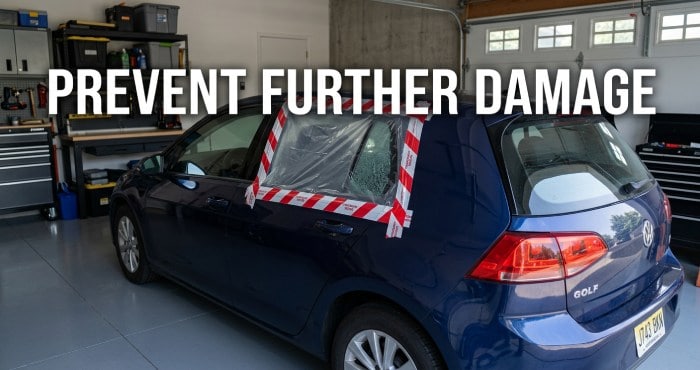
If your vehicle has shattered windows, damaged windshields, or unprotected sections, it’s crucial to safeguard it from further harm caused by the elements or debris. Here are some temporary measures you can take:
- Shielding broken windows with plastic or tape
- Parking in a garage or under a protective structure
- Utilizing a car cover, if you have one
Acting swiftly can help avert water damage inside the car, which may complicate repair processes and insurance claims.
6. Review Your Insurance Policy
Prior to reaching out to your insurance company, it’s wise to examine your policy closely. Pay particular attention to the following aspects:
- Comprehensive coverage, which generally includes protection against hail damage and dent repair
- The amount you are responsible for as a deductible
- Deadlines for submitting claims
- Designated repair facilities or protocols
Familiarizing yourself with your coverage will clarify what you can anticipate and equip you for discussions with your insurer.
7. File an Insurance Claim Promptly
Timing is crucial for insurance claims. Many insurers recommend notifying them of any damage, including minor dent issues, at the earliest opportunity. When you submit your claim, ensure you:
- Offer thorough descriptions of the damage
- Attach relevant photos and videos
- Specify the date and location of the storm
- Maintain honesty and precision in your account
Procrastination can create issues, particularly if further damage takes place or if several claims flood in from your region following a significant storm.
8. Schedule a Professional Inspection
Regardless of how minor the damage seems, it’s a good idea to have a professional take a look at your vehicle. Skilled technicians are able to spot dents and structural problems that might not be obvious to someone without their expertise.
They can recommend the most effective repair options, which might involve:
- Paintless dent repair (PDR) for slight dents
- Conventional bodywork for more significant damage
- Replacement of any damaged glass if needed
Seeking a professional assessment early on can help you make well-informed choices and prevent future complications.
9. Get Repair Estimates
Once you file your insurance claim, get repair quotes and remember you can choose your own shop.
As you review the estimates, take into account the following factors:
- Expertise in dealing with hail damage
- Application of contemporary methods such as paintless dent repair (PDR)
- Estimated time for completion
- Warranty offered on the repairs
Collecting several estimates can also assist in making sure you’re being offered competitive pricing.
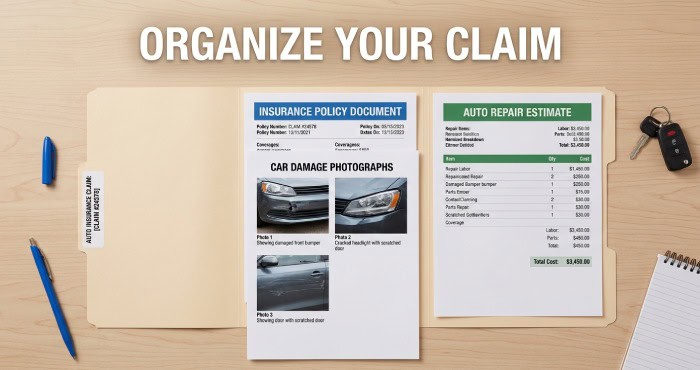
10. Keep All Records Organized
Establish a specific folder, either digital or physical, to store all paperwork pertaining to the hail damage. Make sure to include:
- Images and videos
- Information about insurance claims
- Estimates for repairs
- Invoices for temporary solutions
- Correspondence with insurance companies or repair services
Keeping everything organized will facilitate the process and safeguard you in case of any disagreements.
11. Monitor for Delayed Issues
Certain issues might not be apparent right after the storm. In the following days, watch for these signs:
- Water leaks within the car
- Fog accumulation in the headlights or taillights
- Peeling paint or emerging rust
- Odd sounds or vibrations
If any of these problems arise, be sure to inform your insurance provider and repair shop without delay.
12. Act Quickly, But Thoughtfully
The initial day following a hailstorm can be quite intense, particularly if you notice damage to your vehicle. It’s crucial to respond quickly, but be cautious not to make hasty choices that you could regret down the line.
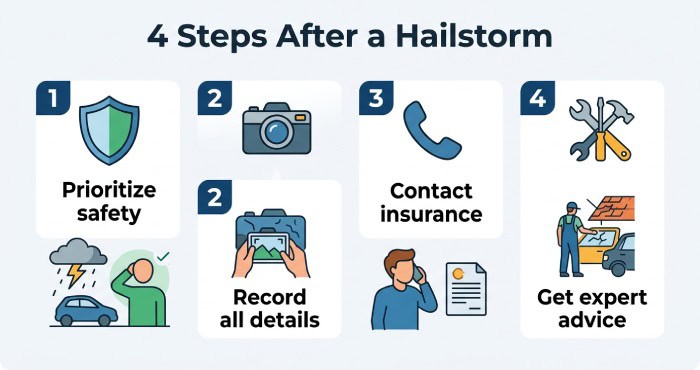
Follow these organized steps:
- Prioritize safety
- Record all details
- Reach out to your insurance provider
- Get expert advice
Adopting this systematic strategy enables you to maintain control and ensures that you don’t miss any crucial aspects.
Final Thoughts
Experiencing hail damage can be quite aggravating, but addressing it promptly within the first day can greatly alleviate stress and minimize costs. Taking quick actions, such as recording the damage and starting your insurance claim, lays the groundwork for a more effective repair journey, including any necessary collision repair.
Using this checklist not only safeguards your vehicle but also paves the way for a quicker, more seamless recovery. Regardless of whether the damage is light or extensive, being proactive helps ensure your car returns to the road in optimal condition after dent repair or collision repair.
About The Author