
Parking Lot Crimes: Solving the Mystery of Door Dings
While parking lots might appear innocuous, they frequently serve as the concealed venues for annoying door dings and minor car injuries. These little dents can seem puzzling, seemingly appearing without any identifiable cause. Gaining insight into the reasons behind these parking lot mishaps is essential for safeguarding your vehicle and preventing expensive repairs.
The Usual Suspects: How door dings happen, high‑risk parking scenarios, and seasonal patterns
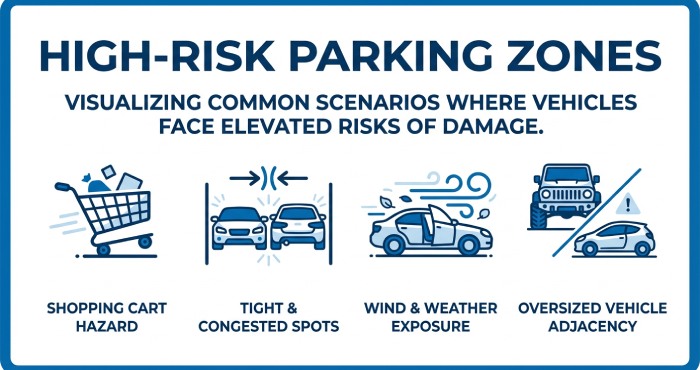
High‑risk parking scenarios
- Tight stalls near store entrances, cart returns, and loading zones where turnover is high.
- Windy days in open lots unbraced doors become sails.
- Events and school pickups where distracted drivers and quick exits are common.
- Tall-to-short vehicle pairings (e.g., SUV next to a compact) misalign impact height, making removing door dings trickier.
- Sloped surfaces that cause rolled carts; always avoid downhill spaces.
- Caution for premium crossovers like an Audi Q3 with pronounced body lines—lines amplify visibility of a car dent and complicate door ding repair.
Seasonal patterns
- Holiday shopping crowds increase minor car body damage from carts and hurried door swings.
- Spring winds and summer heat expand panels; sudden temperature shifts can telegraph shallow dents.
- Winter gloves reduce grip; icy conditions cause uncontrolled doors. Seasonal awareness often prevents the need for urgent dent repair.
Quick diagnostic tip
Sight down the panel under bright, low-angle lighting. Crowns and distortions mean paintless dent removal is more likely than car body filler-based repair—especially when the paint is intact.
Assessing the Damage: Ding vs. dent, paint condition, cost and insurance basics
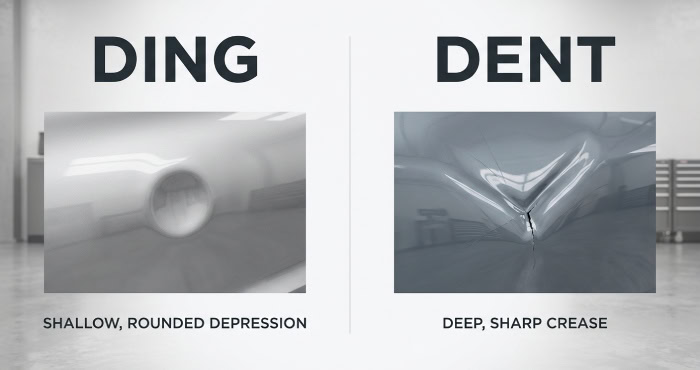
Ding vs. dent
- Ding: coin-sized, shallow depression with minimal stretching—ideal for paintless dent repair and fast dent removal.
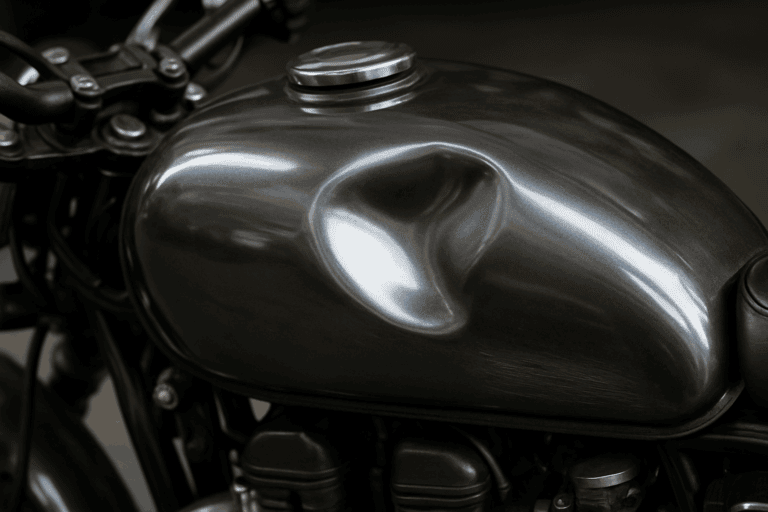
- Dent: larger, deeper, or with sharp creases; may need advanced paintless dent removal or traditional bodywork. Fixing a dent with stretched metal is harder and may outgrow DIY dent repair.
Paint condition and panel access
- Unbroken, flexible paint favors paintless dent repair (PDR). Cracked, chipped, or failing clear coat points to conventional car body repair.
- Check for double-wall areas and brace points that limit tool access. If access is blocked, glue pulling dents with a dent pulling tool is a common alternative.
Cost, timelines, and insurance
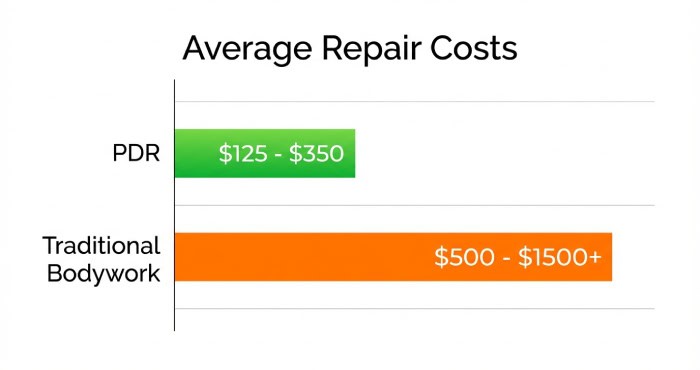
- Professional door ding repair via PDR typically ranges from $125–$350 for a single car door ding; complex crowns or aluminum panels increase cost.
- Traditional bodywork (filler, primer, blend) can run $500–$1,500+. It restores paint but is more invasive.
- Many owners skip claims if damage is near or below the deductible; talk to your insurer about OEM procedure preferences for auto dent removal and whether PDR is covered.
- PDR often restores value better than repainting because it preserves factory finish.
Repair Paths Explained: DIY tricks vs. professional Paintless Dent Repair (PDR) vs. traditional bodywork
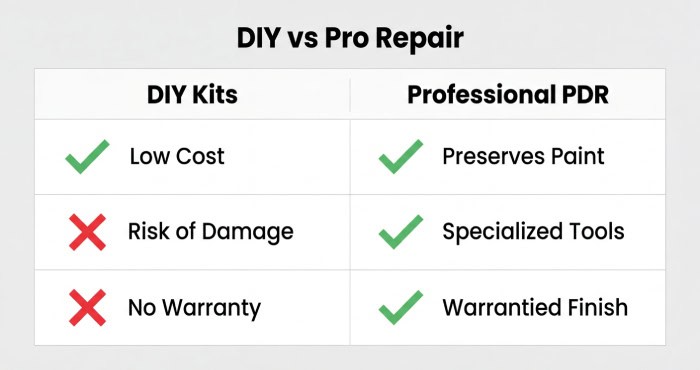
- Home Repair Tips and Options: In a home garage, minor dents can often be addressed using basic techniques such as the heat-and-chill method (using a hair dryer followed by compressed air) or glue pulling with economical kits. Numerous tools from brands like Super PDR and Harbor Freight promise quick fixes, although results can vary significantly. For effective DIY paintless dent repair, caution is key — excessive pulling can harm the panel. It’s advisable to tackle shallow dents in easy-to-reach spots, as deeper dents pose more challenges.
- Expert Paintless Dent Repair: For those seeking the most dependable solution when the paint remains intact, professional paintless dent repair (PDR) is the way to go. This technique utilizes specialized tools and lighting to reshape the metal without needing a repaint. It maintains the original surface, is generally quicker and more cost-efficient, and results in a better finish for complicated dents compared to DIY methods.
- Conventional Auto Body Repair: When the paint has been compromised or if the dents are significant, traditional auto body repair becomes essential. This process involves applying fillers, sanding, repainting, and in some cases, replacing panels. While it restores the vehicle’s appearance, it can affect resale value due to the history of refinishing and heavily relies on the quality of the paint-matching performed by the shop.
- Insights from Industry Experts: Automotive experts like Scotty Kilmer and Bozi Tatarevic discuss the pros and cons of DIY repairs versus professional services, while businesses like Excel Dent Removal showcase genuine before-and-after examples. A variety of tools are readily accessible online, but it’s crucial to read trustworthy reviews before making a purchase.
Inside a PDR Visit: Tools, step‑by‑step process, timelines, certifications, and choosing a shop
Tools and techniques you’ll see
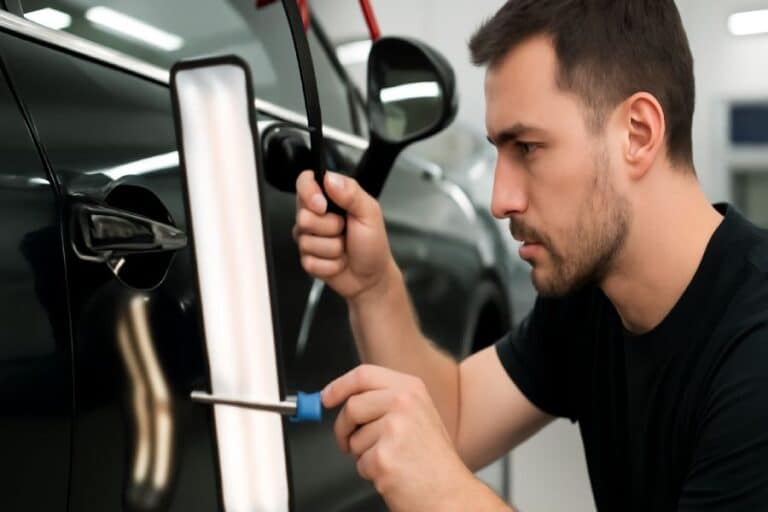
- Lighting: line boards or LED lights map distortions for precise paintless dent removal.
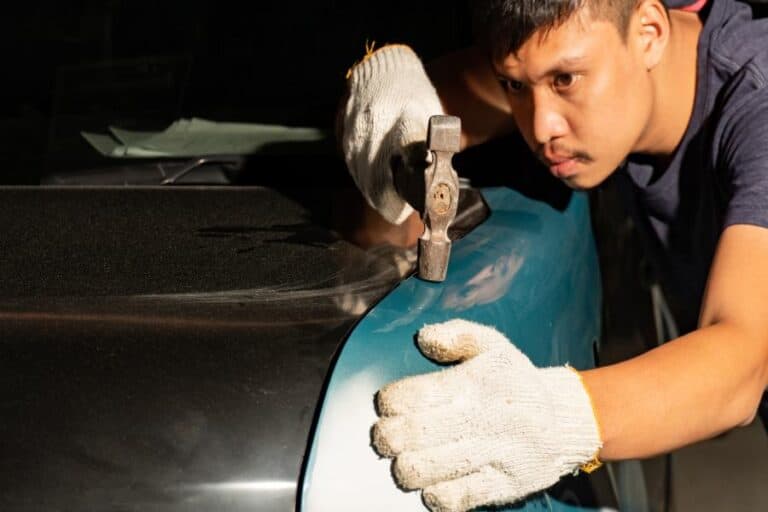
- Access tools: rods, whale tails, and tips reach behind panels; knockdowns and hammers relax crowns.
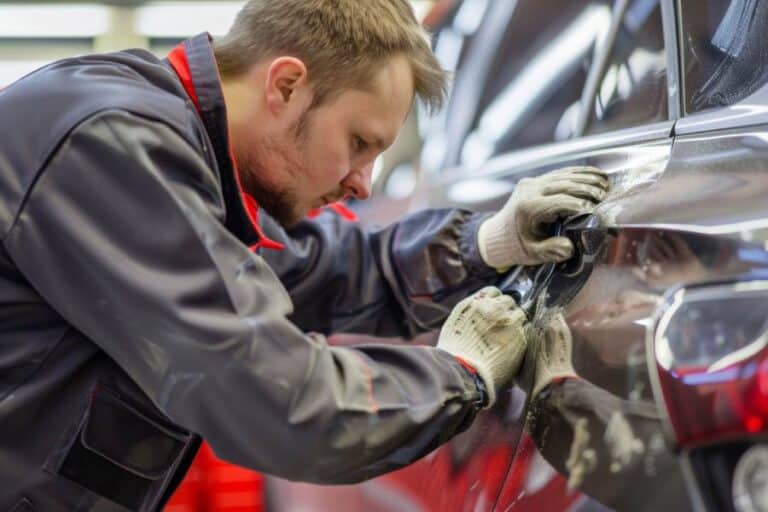
- Glue pulling: when backside access is blocked, glue pulling dents with tabs and a dent pulling tool refines the surface without drilling.
- Brands and gear: Super PDR tools, dent-remover consumables, Maddox/Harbor Freight accessories, and pro-grade systems are common in modern PDR shops, supporting efficient and precise dent repair work.
Step-by-step workflow
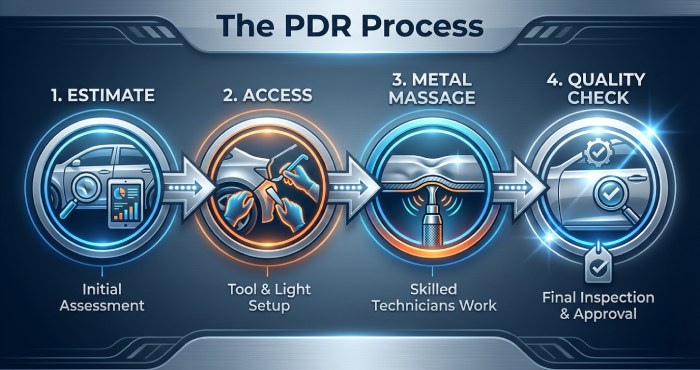
1. Estimate: technician evaluates size, depth, paint, bracing, and panel material; explains whether PDR is viable.
2. Access: window gap or trim removal to reach the backside; protection added to avoid marring.
3. Metal massage: incremental pushes with tap-down balancing to restore the body panel.
4. Quality check: cross-lighting confirms no residual lows or highs.
Most door ding repair appointments take 1–3 hours per panel. Complex creases or aluminum can extend timing.
For local Paintless Dent Repair, look for shops that photograph each car dent before and after, explain their paintless dent repair plan, and warranty the dent removal work.
Certifications and choosing a shop
- Ask about PDR-specific training, ongoing education, and insurance liaison experience.
- Review portfolios of removing door dings on your make (e.g., aluminum panels or specific beltline creases).
- Seek referrals and independent reviews of paintless dent repair from customers with similar damage severity.
- Established names such as Excel Dent Removal and Legacy Dent Co. demonstrate process transparency and results-driven methodology.
Incidents in parking lots, such as minor dents from car doors or hail damage, might appear trivial, yet they highlight larger concerns regarding negligence and responsibility. By being vigilant, choosing parking spots thoughtfully, and applying straightforward preventive strategies, motorists can greatly lower their chances of such problems. Ultimately, addressing these issues begins with heightened awareness and fostering greater respect for communal areas.
About The Author