
Door Ding Repair As A Superpower: Can You Un-Press Time With A Plunger And PDR?
That little door dent can seem like an everlasting blemish — imagine if repairing it was a special skill! Using just basic items like a plunger alongside modern Paintless Dent Repair (PDR) techniques, you can actually reverse the damage without the need for repainting or expensive body repairs. In this article, we’ll delve into the possibility of effectively “turning back the clock” to rejuvenate your car detailing results.
Door Ding Repair as a Superpower: Can You Un-Press Time with a Plunger and PDR?
There’s a certain magic to watching a shallow car door ding vanish—as if you’ve reversed time. The truth is that effective door ding repair blends physics, finesse, and the right dent tools. While social media makes a plunger look like a wand, real-world dent repair and dent removal rely on controlled force, skilled reading of reflections, and precise access. Whether you prefer do it yourself tactics or calling a pro for car dent repair, the goal is the same: clean ding removal that preserves your car exterior and keeps your automotive finish original.
If you want the best odds of a fast repair and affordable dent repair, a door ding repair kit or an auto dent repair kit can help in low-risk situations. But knowing when to stop, and when to seek paintless dent repair, is the true superpower.
Why Door Dings Happen: The Physics of Stretched Metal, Paint Elasticity, and Which Dents Are Reversible
Modern auto body panels are thin, high-strength steel or aluminum. When a neighboring door impacts your car, the force creates a low spot and often a subtle high ridge (crown). Reversible dents are typically:
- Shallow (no sharp “pinch” at the center)
- Located away from tight body lines and panel edges
- Free of cracked paint or exposed metal
Paint systems have primer, base, and clear coat designed with some elasticity. If the impact stays within elastic limits, paint flexes and a ding can be coaxed back. Once paint fractures or the metal is deeply stretched (common along body lines), dent fix attempts get tougher, and you’re nearing traditional car body repair territory at a body shop.
Signs a Ding Is a Good Candidate
- No cracks in clear coat; scratch repair is minimal or limited to scuffing
- Diameter under a few inches and shallow depth
- No severe creases or kinks in the panel
- Access exists behind the panel for a PDR tool or gentle pushing
Plunger vs. Reality: Suction Hacks Demystified—When a Plunger or Cup Might Work, Risks to Paint, and Safer Alternatives
A toilet plunger creates temporary suction. On very shallow, broad dents in flexible areas (like some quarter panels), it may pop a low spot outward. But on a typical car door ding, a plunger is too crude for proper door ding repair.
Risks to Paint and Trim
- Abrasion to clear coat from grit trapped on rubber
- Sudden “oil canning” that stretches metal or worsens body damage
- Pulling emblems or trim if suction overlaps badges
- Water intrusion under window felts
To repair small door dings more safely, consider using a specialized suction cup or glue-pulling kit specifically designed for this purpose. These kits generally contain plastic tabs and a solvent to safeguard your car paint.
When exploring options on Amazon, search for kits that feature easy-to-follow instructions, high-quality PDR glue, and reputable brands such as PDR Tools, DentWiz, or Amazon Basics.
PDR as the Real Superpower: Tools (Rods, Lights, Glue Tabs), Techniques (Pushing vs. Glue-Pulling), and Limits (Creases, Body Lines, Cracked Paint)
Tools and Techniques Pros Use
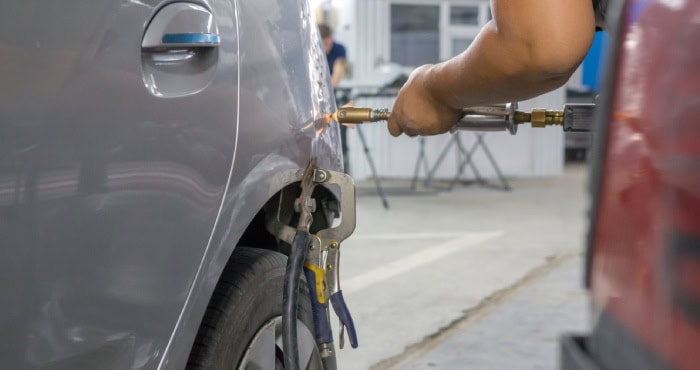
- Rods and Picks: Long, shaped dent tools reach behind panels to gently push the dent from the backside. These specialized automotive tools allow micro-adjustments that a generic repair kit can’t.
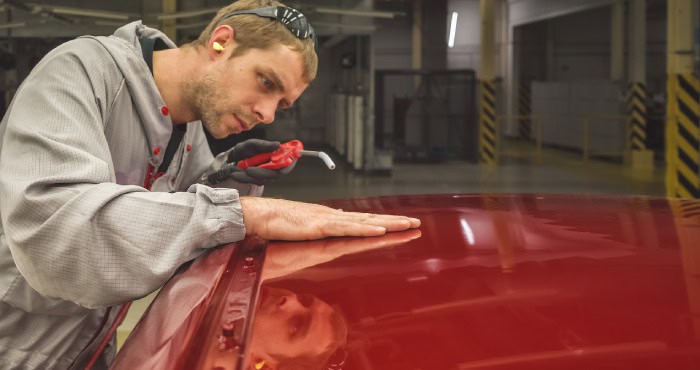
- Reflection Lighting: PDR lights or line boards reveal highs and lows so the tech knows exactly where to push. This is why pros consistently achieve cleaner dent removal and ding removal.
- Glue Tabs and Pullers: Where backside access is blocked (like double-walled doors), technicians use glue-pulling. A tab adheres to the dent’s center, a puller lifts, and taps on crowns relax tension. It’s a refined version of the “plunger” idea.
Pushing vs. Glue-Pulling
- Pushing excels when there’s access and no sound deadener blocking tools.
- Glue-pulling is ideal on door skins and roof rails where drilling is not an option.
- Many repairs combine both to fix car dent issues efficiently.
Limits to Respect
- Creases and sharp body lines: Recoverable with advanced skill, but not always perfect.
- Cracked paint: Even perfect metal work may require touch-up or car repair refinishing.
- Stretched metal: May need heat, shrinking techniques, or conventional auto body refinishing.
For local expertise, consider Paintless Dent Repair. A seasoned technician removes door dings with minimal disruption, often providing a fast repair that protects resale value.
DIY Triage and Steps: Evaluate Depth, Size, and Location; Low-Risk Home Attempts; Mistakes to Avoid; When to Call a Pro
Low-Risk Home Attempts

- Clean panel thoroughly; any grit can scratch, so keep a car scratch remover nearby for light scuffs.
- Warm the area with safe, controlled heat (hair dryer level), then attempt glue-pulling using a kit for dents. Follow the repair kit instructions to the letter.
- Make small, incremental pulls; release with isopropyl alcohol.
- Use plastic knockdowns to relax crowns; don’t hammer the center.
Mistakes to Avoid
- Rushing: Over-pulling creates a high spot you must knock down—harder than you think.
- Wrong tip or tab size: Mismatch increases the risk of marring or uneven pulls.
- Drilling access holes: This compromises corrosion protection and vehicle maintenance warranties.
- Mixing home improvement tools with automotive tasks: Woodworking repair tools don’t translate to car body repair precision.
When to call a pro: If the dent crosses a body line, the paint has micro-fractures, the panel is aluminum (trickier elasticity), or results stall after a few controlled pulls, step back. A professional using a refined PDR tool set can deliver affordable dent repair compared with repainting at a body shop, and often completes car damage repair the same day.
Bottom line: A plunger might luck into a minor pop, but the real superpower in ding removal comes from disciplined technique, a quality door ding repair kit, and, when appropriate, a seasoned PDR specialist. With the right repair kit and informed expectations, you can fix car dent issues intelligently—often avoiding unnecessary collision repair, saving time, preserving finish, and keeping your automotive investment looking its best.
About The Author