
At GemState PDR, we understand that when your vehicle sustains dents, creases or dings, you want quality repairs — and you may also want to know how your insurance fits into the picture. This page gives you a clear and comprehensive look at insurance coverage for Paintless Dent Repair (PDR), how it works, when it makes sense, what you (and your insurer) need to know, and how we partner with you every step of the way.
What is Paintless Dent Repair (PDR)?
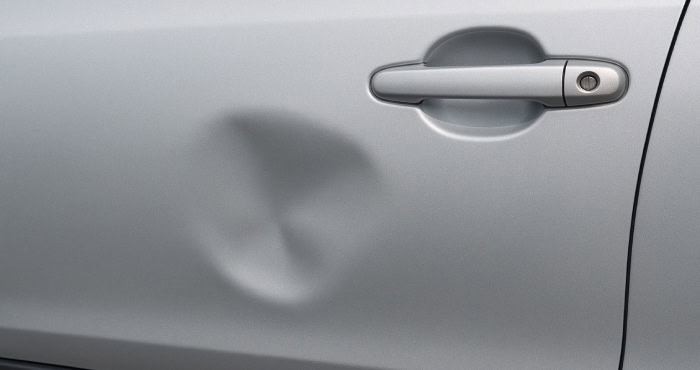
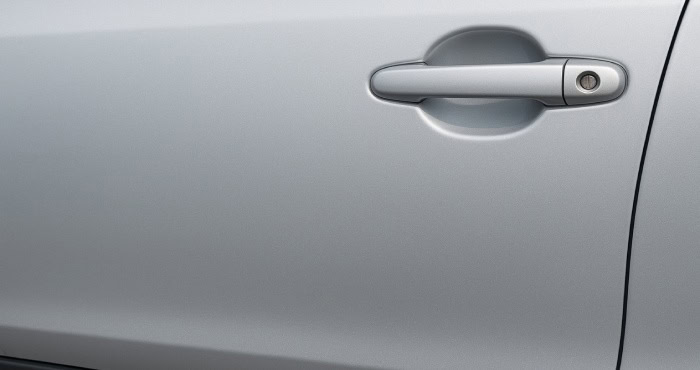
Paintless Dent Repair, or PDR for short, is a method of repairing minor to moderate dents and creases without repainting or major body-work. Instead of sanding, filling and repainting, skilled PDR technicians access the affected panel from behind and gently push or massage the dent out, preserving the vehicle’s original factory paint finish. Because the original paint is retained, PDR helps you preserve the look, integrity and value of your vehicle.
Because it’s less invasive than traditional body repair, Paintless Dent Repair (PDR) — including hail dent repair — is often faster, more affordable, and more value-friendly, making it the perfect solution for door dings, hail damage, shopping cart mishaps, and other minor dents.
Does Insurance Cover PDR?
Short answer: Yes, sometimes. But like most things involving insurance, the specifics matter.
What the experts say
According to major body-repair specialists:
- To have your insurance cover PDR, you usually need the damage to result from an incident covered under the collision or comprehensive portion of your policy.
- For example: if a tree branch falls on your hood, or hail damages your roof, or you’re hit by another driver, those may be covered under comprehensive or collision coverage.
- If you only carry liability-only coverage (which only covers damage you cause to other vehicles, not damage to your own), then you almost certainly won’t have coverage for your own vehicle’s dents/dings.
- If the damage is minor and the cost of repair is below your deductible (the amount you have to pay before insurance kicks in), it may not make sense to file a claim at all.
What that means for you
So if you’ve got an incident that qualifies (hail, falling object, collision, vandalism, etc.), and you have either collision or comprehensive cover (or both), then yes: your insurer may cover the PDR repair cost (minus your deductible). If you do not have that kind of coverage (for example you only have liability), then you’ll likely be paying out of pocket.
Types of Insurance Coverage You Should Know
Here’s a breakdown of how the different coverages relate to PDR:
- Liability only: Covers damage you cause to other vehicles or property. Does not cover damage to your own vehicle in most states. Therefore, not typically useful for your own PDR repairs.
- Collision coverage: Covers damage to your vehicle if you collide with another vehicle or object (or you’re at fault) in a driving incident. If a dent or crease is the result of that collision, you may have coverage via this.
- Comprehensive coverage (“Comp”): Covers non-collision incidents such as hail, falling trees/branches, vandalism, animals, etc. Many dents or dings (from non-collision events) fall under this category. Thus if you have comp, PDR may be covered.
- Deductible: This is the amount you’re responsible for before insurance pays anything. If your deductible is higher than the repair cost, you’ll pay it all. For smaller dent repairs (especially single door dings) you might not want to claim.
When It Makes Sense to Use Insurance for PDR
Filing an insurance claim for PDR isn’t always the best move. Here are some scenarios and decision-points to consider:
Scenarios where it often does make sense:
- The damage is significant (multiple dents, large size, or on visible prominent panels) and the repair cost is substantial compared to your deductible.
- The damage was caused by a covered event (hailstorm, branch fall, vandalism, another driver, etc.).
- Your deductible is low or you have special coverage that makes the claim advantageous.
- You’d prefer the insurance handle a large portion rather than paying out-of-pocket for an expensive repair.
Scenarios where you might not claim:
- The repair cost is less than or close to your deductible: you’d pay most/all of it anyway.
- You’re worried the claim may affect your premium (though claims under comprehensive for non-fault incidents often don’t raise rates much).
- The damage is very minor and you’d rather keep your claims history clean.
Important: Your rights
One key point: you have the legal right to choose your repair shop in many jurisdictions — you are not always required to use a repair shop recommended by your insurer’s network. For example, a PDR specialist like GemState PDR (if local law allows) can be your choice.
How the Insurance + PDR Process Works (With GemState PDR)
Here’s a step-by-step overview of how we can help you navigate the insurance side and get your vehicle back to pristine condition:
- Initial Contact & Damage Assessment
Call us (or drop by) and we’ll assess your vehicle’s damage: the number of dents, their size/shape, panel locations, accessibility for PDR, etc. We’ll provide a written estimate for the repair. - Insurance Call (Optional)
If you decide to involve your insurer (because you believe the claim is viable), notify your insurance company with the incident details, and provide them the estimate. We can assist by supplying detailed notes, photos, or cooperation as your specialist repair shop. - Claim Approval & Repair Shop Choice
Once your insurer approves the repair, or you decide to proceed out-of-pocket (if you opt not to claim), you choose GemState PDR to perform the work. Because we specialize in PDR, you’re opting for a repair method that preserves your vehicle’s original paint and finish (which helps maintain its value). - Repair Execution
Our expert technicians perform the PDR process: accessing the panel, massaging the dent out, refinishing if required, ensuring the panel is restored to the highest standard. - Completion, Warranty & Follow-Up
After repair, we confirm your satisfaction, and we back our work with our shop’s warranty (many reputable PDR specialists offer warranties on workmanship). Even if the insurer offers a “lifetime warranty,” a direct relationship with a trusted repair specialist often gives better transparency and control. - Billing / Payment
- If you filed a claim: you pay your deductible; insurer pays remainder (if approved).
- If you’re paying out-of-pocket: we’ll provide you the estimate and payment schedule.
We handle the paperwork with insurers and coordinate as needed so you don’t have to chase the details.
Why Choose GemState PDR When You’re Working with Insurance?
- PDR expertise: Our team specializes in PDR — not generic body-shop work. That means faster turnaround, less disruption, and excellent preservation of your vehicle’s value.
- Insurance-friendly process: We understand how claims work (deductibles, repair approvals, insurer workflows). We can liaise with your insurer and keep the process smooth.
- You’re free to choose us: Even if your insurer suggests a “preferred” provider, you have the right (in many states) to select the repair shop you trust. You don’t have to go with the insurance’s network shop.
- Value preservation: Because we preserve the factory paint and finish via PDR, your vehicle retains better value compared to more invasive repairs or shops using generic parts.
- Transparent service & warranty: We stand behind our workmanship and will walk you through the process. You’ll get clear costs, clear timelines, and clarity on what your insurance will and won’t cover.
Frequently Asked Questions (FAQ)
Q. Will filing a claim for PDR raise my insurance premium?
A. It depends on your insurer and your particular policy. If the damage is non-fault (like hail or a falling branch) and filed under comprehensive, many insurers don’t treat it like an at-fault accident. But multiple claims in a short period may impact rates.
Q. If I have a small door-ding, should I file a claim?
A. If the repair cost is less than or close to your deductible, you may pay the full amount anyway — in that case, paying out-of-pocket could be simpler and keep your claims history untouched.
Q. Can I use the repair shop of my choice?
A. In many jurisdictions, yes — you have the legal right to choose your own repair facility rather than being forced to use the insurer’s “preferred” network. Always good to check your local laws.
Q. What if another driver caused the dent?
A. If someone else is clearly at fault and you have their insurance details, their liability insurance could cover your repair cost. Your repair shop (like us) can often help liaise with both insurers.
Q. Does the repair shop need special certification to be covered by insurance?
A. Some insurers may prefer or require working with approved shops. However, when you choose your own specialist (like GemState PDR), we’ll coordinate with your insurer and submit the required estimate/documentation — we’ve done this many times.
Final Thoughts
Dent, crease or ding damage doesn’t have to be the end of good looks or vehicle value. With the right insurance coverage (collision or comprehensive), and with a specialist like GemState PDR, you can often have your vehicle restored quickly, with original finish preserved, and with minimal chaos.
- Check your policy: Are you carrying comprehensive or collision cover?
- Compare repair estimate vs. your deductible: Does the claim make sense?
- Choose your repair facility wisely: PDR specialists maintain value better.
Keep documentation: Photos of damage, estimate, insurer communications. - Call us: We’ll help you with the estimate, explain how insurance fits, and coordinate everything.
At GemState PDR, we’re committed to excellence in repair and in working with you through the insurance process. Reach out today for a no-obligation estimate, and let’s get you back on the road looking like nothing ever happened.